)
Kicking Off the Men's Final Four Data Analytics Challenge
TL;DR
Over 700 students will spend the next two months predicting March Madness seeds, then defending their reasoning to people who don't care how elegant the code is.
I gave the keynote last week at the tip-off event for the Men's Final Four Data Analytics Challenge. It's a student competition run in partnership with the NCAA and colleges across Indiana, and it's one of those things where you walk away thinking, okay, this is how you actually teach analytics.
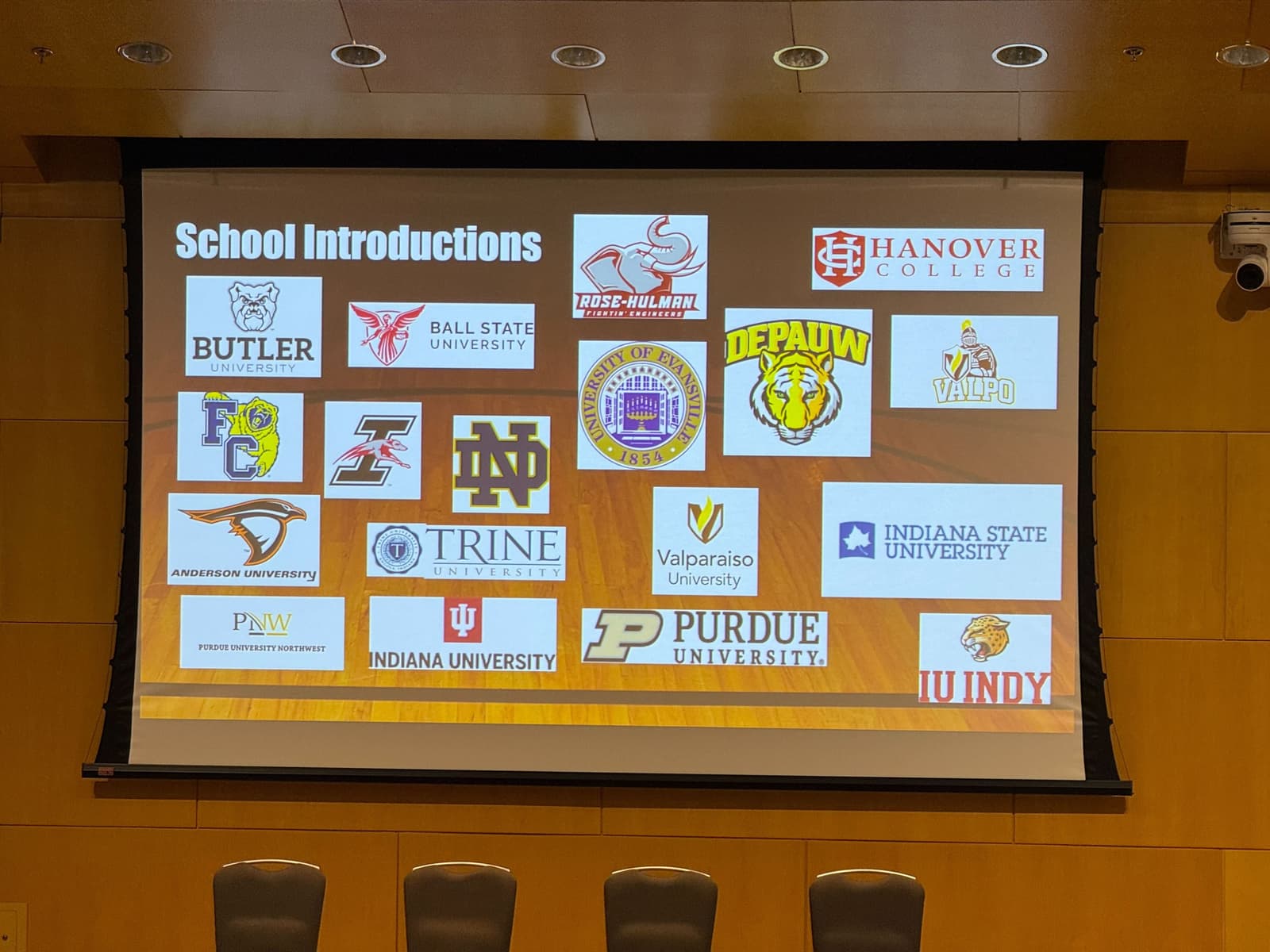
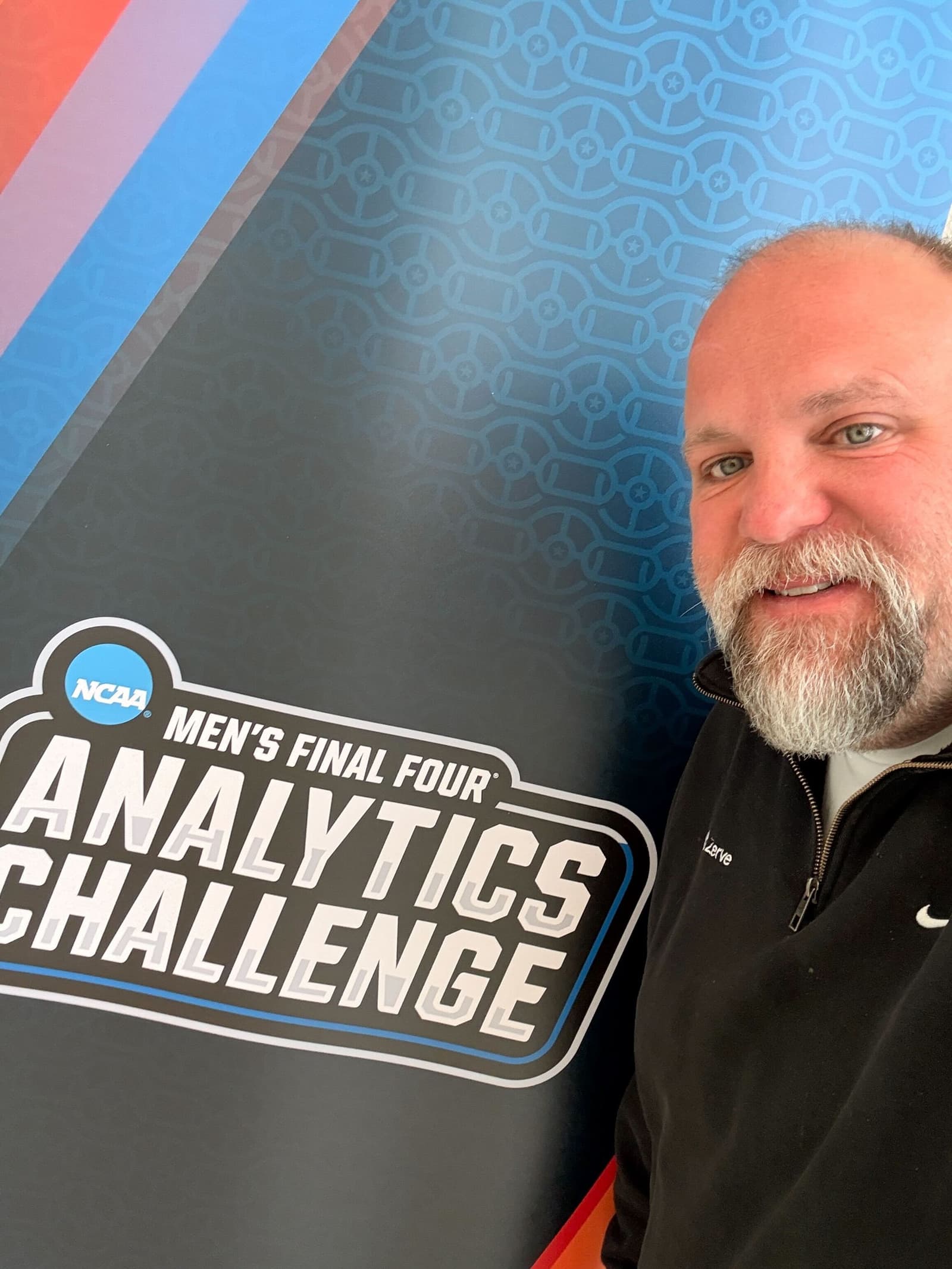
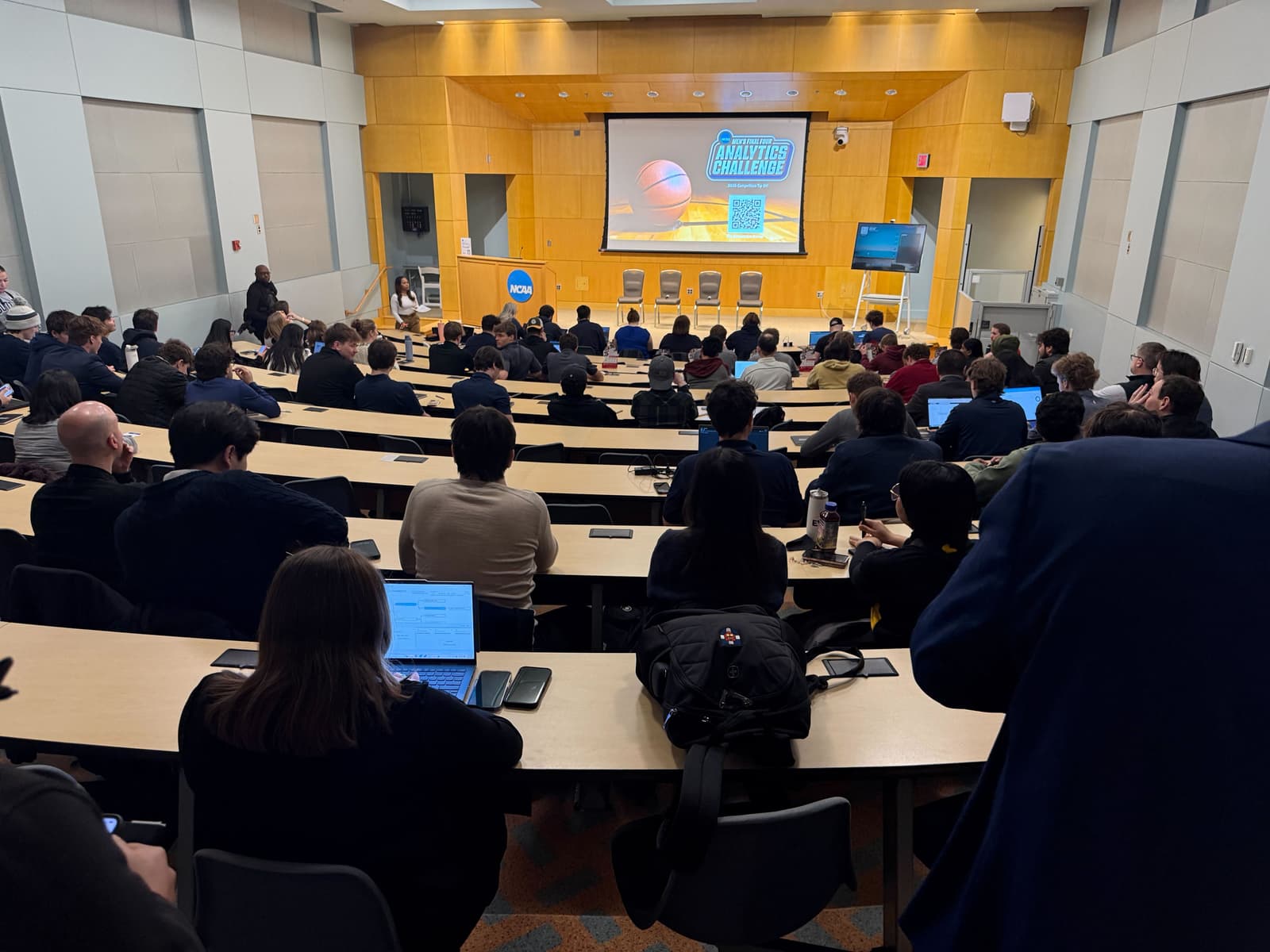
The task is to predict all 68 seeds for the 2026 March Madness tournament. Simple enough on paper. But the interesting part is everything else. The data is messy. Nobody tells you what questions to ask. You're making calls without all the information, and then you have to stand in front of people and defend your reasoning. People who, by the way, don't care how elegant your code is.
That's closer to what the job actually looks like.
What I Talked About
My talk was about the gap between classroom work and real analytics environments. I've been building systems under pressure for a while now, and honestly the biggest thing I've learned is that your deadline shows up whether you're ready or not. Same with the data. You work with what you have. The skill is figuring out what question you're actually answering and being upfront about the limits of what your analysis can say.
I talked about what it means to ask good questions. Five years ago this felt like table stakes. Now it's different. LLMs write code. They can put together a reasonable looking analysis if you prompt them well. What they can't do is figure out what's worth investigating in the first place. That's yours to figure out.
The students who actually dig into how things work, who stay curious instead of just chasing outputs, they're going to have options. The rest will spend their careers prompting tools to solve problems they never really understood.
Zerve as the Official LLM-Based Coding Agent
Zerve is the official LLM-based coding agent for the competition. Students will use it throughout the hackathon. I'm obviously not objective here, but I do think it fits. We built the thing so people can spend their time on the actual problem instead of wrestling with infrastructure. A competition like this should be about the thinking, not the setup.
It Begins Now
Over 700 participants, more than 190 teams. Three months of work starting now. This is how you learn analytics. Not from clean datasets and right answers, but from defending your reasoning when the data doesn't cooperate.
FAQs
A student competition run in partnership with the NCAA and colleges across Indiana. Teams have three months to predict all 68 seeds for the 2026 March Madness tournament, then present and defend their analysis.
The data is messy, the questions aren't predefined, and students have to defend their reasoning to people who care about the conclusions, not the code. It's designed to mirror what real analytics work actually looks like.
Zerve is the official LLM-based coding agent for the challenge. Students use it throughout the hackathon to focus on the problem itself rather than infrastructure and setup.
The competition is open to students at colleges across Indiana. This year has over 700 participants across more than 190 teams.