)
Video: Your Angriest Customers Might Be Your Best
TL;DR
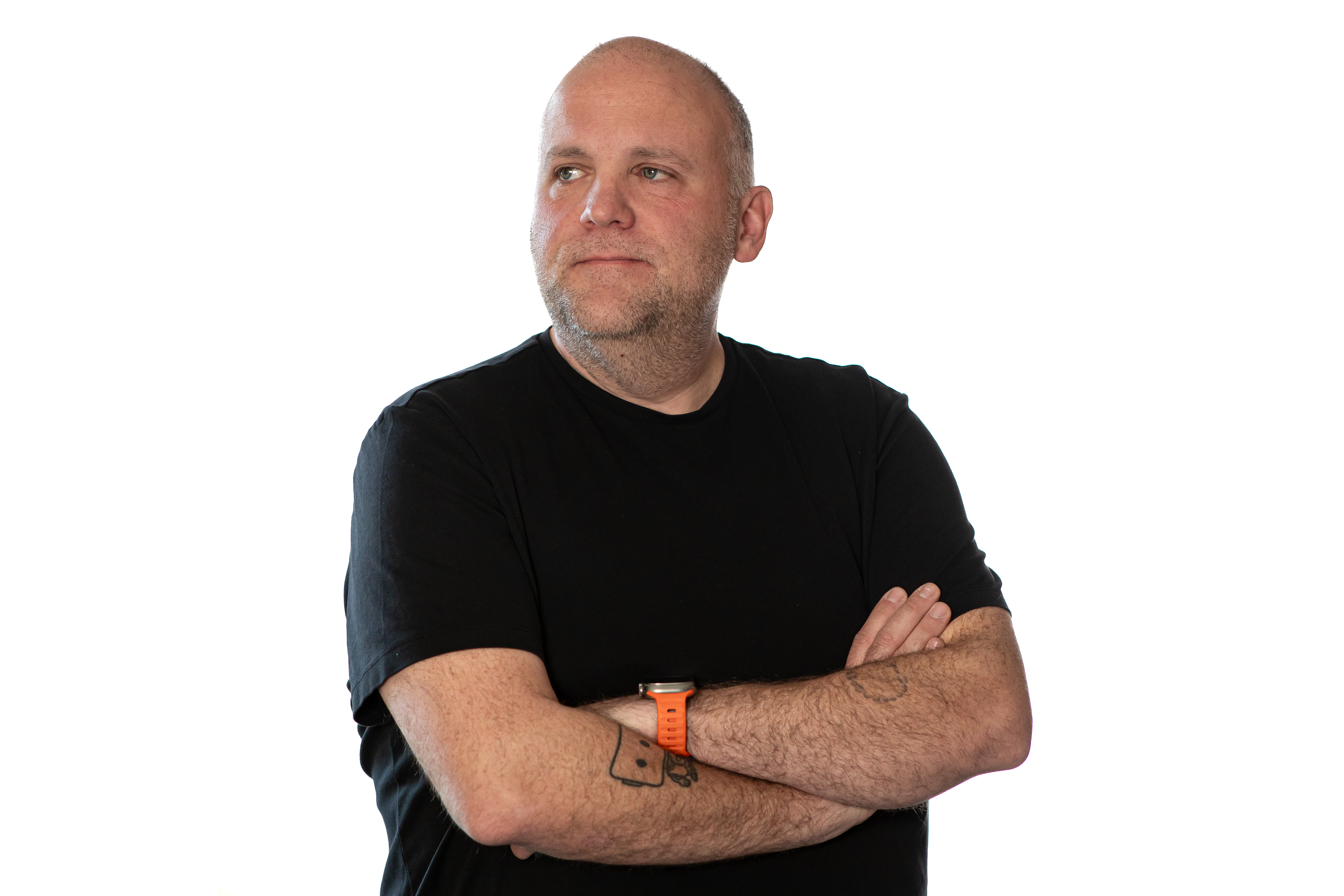
John Forrest has spent decades in technical support at Netezza, DataRobot, and now Qdrant. He sat down with Greg Michaelson to talk about handling difficult customers, where AI actually helps in support, and what startup founders keep getting wrong.
I've known John Forrest since our DataRobot days, and getting him on Data Day was long overdue. He's been in technical support since Netezza, ran support at DataRobot, and now leads customer success at Qdrant. I've watched him walk into conference rooms where a CIO is ready to tear someone's head off and somehow leave with handshakes and a plan.
Handling Angry Customers
John has a philosophy about customer support that most people get backwards. The usual move when a customer is upset is to just agree with them. John won't do it. He'll push back with "yes, and" or "yes, but." Agreeing to stuff you can't deliver just makes next month worse. Most of the time, if you can get past the yelling and figure out what someone actually needs, there's a way through.
He told me about monthly trips to a mortgage company in DC where he and the sales lead would get screamed at by the CIO because something broke. Same conversation every time: apply the patch and this won't happen again. They kept ignoring him. He kept showing up. Eventually they listened. The screaming stopped. They stayed customers.
That's the thing about support. The relationships that last aren't the easy ones. They're the ones where something broke and you fixed it together.
Where AI Helps in Support (and Where It Doesn't)
John works at Qdrant now, which makes vector database infrastructure for AI applications. So he sees both sides. Automated triage works. Categorizing tickets, pulling up history, handling billing and password stuff. That can all run without humans.
But his old CEO told him once they wouldn't need support anymore because Gen AI would handle it. That was years ago. John still has a job. When someone's system is down and bleeding money, they don't want a chatbot. They want a person who can fix it.
He thinks this changes eventually. Some of the tools have fooled him for a few exchanges. But for complex technical problems, we're nowhere close. The last 10% is going to be way harder than the first 90.
The Notebook Problem
Jupyter notebooks are everywhere in data science. Which is strange, because they were built at Berkeley as classroom scratchpads. Version control is a mess. Most run locally. Collaboration barely works.
John's seen teams do all their real work in notebooks and manually port it into production afterward. That's how deep the habit goes.
I think about this with Zerve constantly. We built something better. But asking people to change how they work is hard. Your thing has to be dramatically better for the switch to feel worth it.
The LLM Coding Wall
John's been using AI coding tools. Same experience most of us have had. You get from zero to 70% fast. Describe what you want, get working code.
Then you ask for one more feature and the whole thing breaks.
The code wasn't structured how you'd structure it. Now you're debugging someone else's architecture while explaining to the model what went wrong. Weird spot to be in.
His take: fundamentals still matter. Keep things modular. Version everything.
What Startup CEOs Get Wrong
John's worked for a lot of them. He says he's still looking for his next Netezza. That company had a CEO, Jit Saksena, who built a culture that actually meant something. People could finish each other's sentences about values because they actually believed them.
What goes wrong at other places? Founders convinced they don't need sales. Founders who ignore customers telling them what they want. Founders who grip their original vision too tight.
What Comes Next
John made a point I keep thinking about: the models feel stuck. All the improvements are happening around them. More context, better tools, smarter orchestration. But the core capability hasn't moved much.
He's curious what happens when models start doing more on their own. Completing tasks instead of just responding to prompts. That's the agent play. When it works reliably, everything changes. We're not there yet.
His retirement plan is apparently a PhD where he breaks open-source models on purpose and watches their outputs degrade. Like giving an LLM dementia. I told him that's dark. He said he needs to do it before he gets dementia himself.
That's John.
Watch the Full Conversation
We covered more than fits here. War stories from Netezza and DataRobot. Why he hates Python. The dream of an AI that reminds you to do things before you forget.
Frequently Asked Questions
John Forrest is a technical support and customer success leader currently at Qdrant, a vector database company. He previously led support at DataRobot and Netezza, building a reputation for handling high-stakes customer situations and turning frustrated clients into long-term advocates.
Qdrant is a vector database platform used for semantic search, AI applications, and agentic memory. It helps companies build search and retrieval systems that understand meaning rather than just matching keywords.
According to John Forrest, the key is avoiding empty promises. Instead of agreeing to everything, use "yes, and" or "yes, but" to acknowledge concerns while being honest about what you can deliver. The goal is finding what the customer actually needs versus what they're demanding in the moment.
Not for complex technical issues. AI works well for automated triage, ticket categorization, and routine questions like billing or password resets. But when systems are down and customers are losing money, they want a human who understands the problem and can fix it.
Data Day is a livestream series hosted by Greg Michaelson featuring conversations with leaders in data, AI, and technology. Episodes cover topics ranging from technical infrastructure to career advice and industry trends.