Human Agent Collaboration in Data Science and AI
May 29, 2025
What happens when AI agents stop being copilots, and start becoming collaborators?
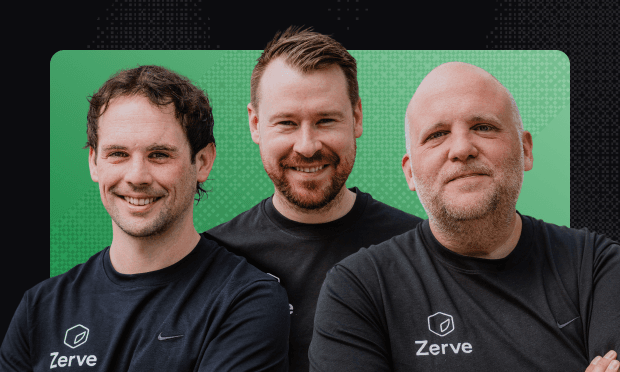
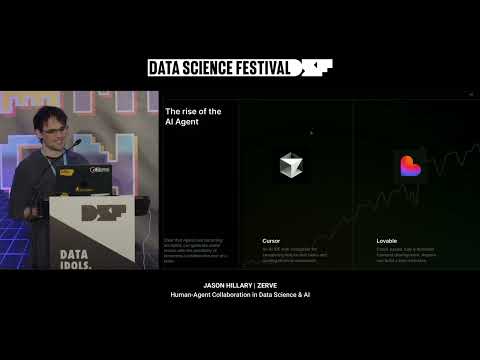
In this session at Data Science Festival, Dr. Jason Hillary (Co-Founder & CTO of Zerve) explores how human–agent collaboration is reshaping the way data science and AI systems are built, tested, and deployed.
As AI coding tools like Cursor and Lovable gain traction, the conversation is shifting beyond autocomplete and code suggestions. But data science workflows introduce new complexity: uncertainty in data, evolving schemas, exploratory iteration, and the persistent “notebook-to-production” gap.
Jason breaks down:
Why data science is fundamentally different from traditional software development
The strengths and limitations of AI agents in complex workflows
How experts can use agents to accelerate experimentation and parallelize development
The emerging interface patterns for true human–agent collaboration
What the future of agent-driven development could look like
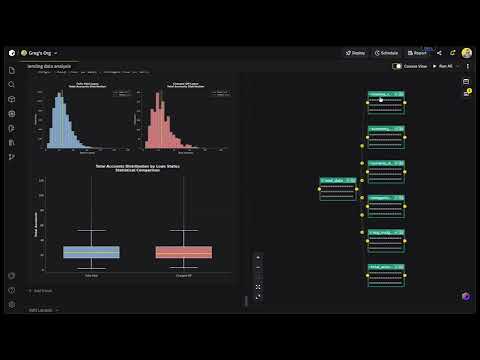
The talk includes a live demo using the Zerve Agent—an AI-native, agentic data workspace designed to move from question → analysis → production system inside a single environment .
Key themes:
Agentic AI vs passive copilots
Parallel experimentation with multiple agents
Reactive notebooks and reproducibility
Autonomous EDA and workflow generation
Infrastructure-aware AI agents
Deployment without rewrites
Zerve is an AI-native development platform built for code-first data science and AI teams, unifying exploration, orchestration, and deployment in one collaborative system .
If you’re building production AI systems, or wondering whether agents will replace data scientists, this session offers a grounded, technical perspective on where we are today and what’s coming next.
0:12
Hello everyone and welcome back to the Pac-Man stage.
0:19
Thank you for still humoring me with the clapping after I say that because I know if you've been in this room for the rest
0:26
of this morning, that's what I've been doing every single time before each speaker. So, a warm welcome back to this
0:32
stage. How does everyone feel after their coffee break? Do you are you feeling a bit more energized?
0:38
Yeah. Great. Good to hear. I know I do. I don't actually like coffee, but I got myself a cup of tea, so I've got my
0:44
caffeine fixed now. ready to go for the rest of the morning. But I am going to hand you over to our next speaker who is
0:52
Dr. Jason Hillary and he is the co-founder and chief technology officer at Zerve who is one of our sponsors for
0:59
today and that Zerve is a next generational development platform purpose-built for code first data
1:06
science and AI teams. So I'm going to hand it over to Jason. All right. Thanks very much. Yeah. So um yeah, so I think
1:12
that was a very good introduction. So I'll skip introducing myself. Um so very excited um to be here today to talk
1:19
about a topic that's um very fastm moving and also hopefully it'll be um uh
1:24
very interesting and if it keeps moving at the pace that it is uh hopefully most of the opinions that I have today will
1:30
change in a month and it'll be like advances in the technologies the tools that we're talking about and everything like that. So it's a a very exciting
1:37
kind of a time for I will say being a developer in in this space because of all of the the new tools and the the
1:44
velocity that it's moving at. So today's talk h is specifically around human agent collaboration uh and kind of
1:51
focused specifically on data and AI. So there's been a lot of um we'll say tools that are developed uh for developers
1:58
with the advent of like co-pilot cursor and everything like that but there's slight nuances and changes um required
2:05
if you want to kind of achieve those kind of levels of like automations for data science and and AI development. So
2:12
I just want to give a quick shout out. I did have a collaborator uh when creating this um presentation
2:19
and it was deserve agent. So um we released an agent during the week and um uh it was a busy week so we launched it
2:26
on Tuesday. It was short in time getting the slides ready. So I was like okay the talk is on human agent collaboration.
2:32
Can we work together to to whip some slides together? So whenever you see an asterisk beside uh some of the content
2:39
in the in the slides, it was fully generated in a in um we'll say a
2:44
PowerPoint presentation generated by uh an agent that wrote Python code to
2:49
generate a PowerPoint. Um so and we'll get into it and we'll kind of show show
2:55
that um we'll say uh in the in the live part of the demo and that'll be interactive. So, um yeah, I'll ask for
3:02
people to shout out prompts and things like that um kind of when we when we get to it as well. Um so, we have um one of
3:08
the the team from Zerve in the back who will surely shout up if nobody else does anyways. So, um uh yeah. So, kind of
3:13
we'll get um we'll get going. So, uh just 30 seconds I guess on Zerve uh to
3:19
kind of like pre preface it in terms of um we'll say when we get into the demo. So, what it is and what we've built is
3:25
the operating system for developing and delivering data and AI products. Um, so it's kind of to shorten the gap for I
3:33
will say getting things into production. So it's uh first of all it was kind of built specifically for human human
3:39
collaboration. Um so it was the only kind of collaboration a couple of years ago at the time but now there's um this
3:44
talk is about human agent collaboration and there's um it turns out some of the things uh that make humans work together
3:50
is also things that make humans and agents work together. Uh well um h it
3:55
was purpose built we'll say to be code code code based so there was a lot of tools and uh we'll say in the last uh
4:01
decade that were like no code low code kind of a tools for like data and AI um
4:07
we'll say and we didn't believe that that's where the the true value was um and now with the advent of agents they
4:13
can help to write code to create more customized kind of solutions uh with you we'll say and then um we also have a
4:21
number of customers that have been building like AI solutions with the the likes of OpenAI, Bedrock and Tropic
4:27
Claude. Um so some of today's topics are informed by that and other parts are informed by uh our own kind of
4:34
development work and trying to create a data NAI development agent we'll say. Um
4:39
so I'll keep the the background very brief and we won't start um at a typical point where we go back a couple years
4:46
talk about chatbt. We'll kind of fast forward to uh being more um we'll say just code ccentric and developer centric
4:53
and uh even more specifically on agents that have kind of like um kind of um
4:58
we'll say uh risen up uh over the last we'll say year or so to like um create
5:04
some of the like uh most popular kind of fast growing companies that the the like the world has ever seen effectively. Um
5:10
so I've just taken two as an example. Um so there's many many others um but it's
5:15
just to kind of give a a kind of an idea of kind of the different directions that these kind of a agent kind of coding
5:21
applications kind of um have found uh a lot of uh we'll say success. So cursor
5:27
is one of them. It's an IDE that effectively is like um an alternative for like a VS code. So traditional kind
5:34
of a code editor with like uh a AI kind of built into it from the from the
5:39
ground up and it has composer which is a function that can kind of do uh full end toend automations of uh software
5:47
development. It can run the terminal commands it can install uh npm packages uh everything like that. Uh on the far
5:54
side of the spectrum then is like lovable and lovable is a a tool if people haven't used it already that um
6:00
effectively uh has the promise of and does deliver to be fair on being able to
6:06
take a natural language prompt and generate a react application front end. So no coding uh knowledge required and
6:13
you can get a a full kind of React application. You can store it to git and you can take it and kind of make
6:18
modifications but everything you do is through natural language. So um both of
6:23
these have been like hugely hugely popular amongst like other tools as well. Um and kind of uh just to to kind
6:30
of highlight that they're um their popularity and their like people's willingness to pay for these kind of
6:36
tools is uh we'll say a good indication that there's a lot of value generated by agents doing software development. So um
6:44
people don't do it and kind of use it at scale for for for no reason or at least I I don't think they do. there's a bit
6:50
of hype around it but um I think they do generate uh like a significant value. So
6:56
when you talk about data NI kind of uh specifically uh there's kind of like different kind of challenges um that you
7:03
get presented with compared to if you were doing like traditional software development. So it's kind of like there's a different mindset you're
7:09
working with uncertainty to a higher degree. Um so there's like a data source that you've got to we'll say work with
7:16
whereas when you're doing software development it's a lot more like transactional uh you kind of like know
7:21
what the inputs and outputs are you find them through APIs um but uh that's not the case when you
7:27
do like work with data so data can change schemas can change um so there's a lot more uncertainty and what that
7:33
means then for like agents that you're developing is that they they require different context so uh those tools that
7:40
we um had talked talked about before, they work strictly off of the the code base and the natural language prompts
7:45
that the the person provides. Uh when you're working with data, you have another layer to it. You have to know
7:51
the types of the data, the column names, everything like that, we'll say. So there's like a a load of metadata that's
7:58
generated by the code you run that needs to be kind of um considered for you to kind of take the take the next steps. Um
8:05
so that is the effectively the inputs of your agent have to now consider
8:10
something that's far more variable. Um there's also different outputs. So the kind of code that you
8:16
generate is typically a little more interactive. So it's less functional code sometimes more like a uh we'll say
8:23
like ripple and things like that. So it's um a bit of a a different kind of an output we'll say for being able to
8:29
chain kind of tasks together. And then um there's also just a different process. So, uh, if you wanted to go
8:35
kind of end to end on a full kind of like data and AI solution and you ask an expert, they'd probably tell you, we'll
8:41
look at the data first and we'll see see what it see what it looks like. Um, they wouldn't be able to map out maybe
8:47
exactly what all of the 10 or 15 steps you have to do to be able to uh, we'll say get to the end of a process because
8:53
it's exploratory. There's iterations in it. Um, so there's like lots of learnings you've got to do. So um if an
8:59
agent was to kind of help you with these kind of processes, it should also take a similar approach. Um so that's kind of
9:06
um some of the the learnings we'll say um that we've kind of come across and this kind of influences three different
9:12
aspects then of we'll say how you set up your your agents. So they have different
9:17
like inputs which is your like uh the context that you provided and the system prompts. uh they produce different
9:23
outputs and then they also have to have like different kind of planning strategies and um things like that
9:29
compared to some of the some of the other tools. Uh that it does have potentially one advantage in the sense
9:35
that um the scope is a little smaller than traditional code bases. So you can fit more of the context of a whole
9:40
project inside the scope of a an LLM we'll say um like context window compared to we'll say a an enterprise uh
9:48
software database or software codebase. Um so one of the natural
9:54
questions you kind of ask yourself uh when you start to think about human and agent collaboration is like the comparative strengths and so the
10:01
benchmark is uh basically um a human expert being able to do a task by
10:07
themselves. So uh there's a there's an alternative kind of um where if you're using a tool like a lovable or something
10:14
like that that um the the benchmark is that they can't code at all. So anything they're able to produce that's useful is
10:21
um we'll say is a big step change for for the individual h for people that are
10:27
practitioners and data scientists kind of employed in companies it's a productivity gains so it's um how much
10:33
faster can you complete projects how much better can you produce it how much quicker can you find mistakes and so
10:40
those are the the kind of like focus areas I think for initial kind of like agents for for data and AI is kind of
10:48
uh enabling the practitioners to uh we'll say do better work. Um so humans
10:55
are are extremely good um and still are kind of like fundamental to to the process for like a number of reasons
11:01
that we'll kind of touch on in the in the next slide. Um so uh they kind of
11:06
provide all of the the context uh they learn differently than the the LLMs
11:11
effectively. Um, and then they they also can do like they have the world view, the domain expertise, everything like
11:18
that. The agents are super at um they're they're quite good at writing code. So
11:23
they can write it like pretty much like a senior developer level and they can all do it. So you can kind of scale all of these kind of like workers up on
11:29
demand. They're all able to write code. Um, and they just have to make sure that they're working on like useful tasks for
11:36
the most part. Um, they're tireless effectively, so they'll work 24/7. um
11:41
which is like something that's like completely uh kind of different. And um there's uh super at like certain things
11:48
like pattern recognitions, being able to look at like large documents, extract kind of useful information to be able to
11:53
kind of inform the next code that they'll they'll generate. Um so uh kind of long story short, uh
12:01
agents I don't think have gotten to the point where they can like fully automate um kind of like data and AI kind of uh
12:07
development and humans are definitely still required. Um and this is kind of down to to a few things. Uh one of them
12:14
was when you're collaborating with a uh like an agent of any sort. uh what
12:19
typically happens is you use it a few times, you kind of learn how it uh interacts and you'll change your
12:25
behavior to kind of like get the most out of the tool. So there's an adaptability from the human side that
12:31
isn't there in the agent side effectively. Um so that kind of is where the the real kind of like efficiencies
12:37
come from is that the the person learns to use the tools and that's still still the case. Um there's uh the ways the
12:45
learning is kind of um interesting as well. So if you think of like human consciousness how they kind of like um
12:50
how everybody h kind of like continuously learns you have everything kind of like in context all the time you
12:56
can develop your world view um an agent can't do that effectively so it's all depending on the context that you
13:03
provide which is actually one of the the tricky parts in terms of like between steps and calls of an LLM exactly what
13:10
information do you provide it with that it's able to effectively mimic that kind of a that kind of a process
13:18
And then there's also accountability. Um so uh if somebody here decided to kind of like work on the weekend on a on a
13:24
project, um do you know it's a effectively they're kind of doing it maybe on their own time. It's kind of
13:30
like a learning. It's a a kind of a a habit or some something like that. Um if an LLM kind of or an agent decides to do
13:37
it, there's a there's a bill attached to it. So if it works for 24 hours, uh you'd be um you'd be you'd be in
13:42
trouble, I think, in terms of um the the costs kind of associated with it. So there's an accountability part that um
13:48
humans also provide in um in it. And uh the people that are best posed to kind
13:54
of um get the most out of agents I think are the experts. Um so it's people it's
13:59
kind of um if you uh know the processes and kind of know what you want to get out of it and know what's possible uh
14:06
you'll do a better job than somebody who who doesn't effectively. So uh this is kind of one of the limitations I think
14:11
currently of of agents is that they're not proactive. they're more reactive at the minute. So you kind of provide good
14:18
prompts, they'll give you good answers. If you don't provide enough context, they might kind of like uh lead you to a
14:23
suboptimal solution. Um so uh experts are definitely still um the people
14:29
that'll get the most the most out of it. It's just how you work might change a little bit in terms of if you're if you
14:35
have multiple agents kind of testing things at once. Uh your kind of day-to-day workflow is is a little
14:40
different. uh the gap has shortened uh in terms of being able to uh make like data science
14:46
and AI more accessible through kind of like coding agents and kind of like co-pilot chat UPT um that you're you are
14:54
actually able to kind of like get some kind of like uh automations kind of like automatically developed. It mightn't be
15:01
production grade. It mightn't be the the hard problems inside a company. Um but uh for example, the screenshot on on the
15:08
screen here uh was my uh mother writing her first ever piece of uh Python code
15:13
effectively using the agent. So uh she logged in on on Tuesday after it was released, asked um could I get it to
15:21
kind of plan holidays for me. I was like, "Ask it. We'll see." And then it was like um it kind of went searched the
15:26
web, got all of the information, put it in a markdown block, and she was like, "Can it create like a travel plan for me?" And I was like, "Ask it." And it
15:32
did. So it created a couple of Gant charts and things like that. So it was um it was interesting to see there was like a little bit of vibe coding from a
15:39
a six six year old woman. So it was a it was a good um a good a good a good day
15:44
for the the product I think in terms of it. Um so um so how experts are and can
15:51
leverage agents and kind of what we're seeing people kind of use it for uh the most effectively is kind of doing more
15:58
experimentations. Um so one of the things uh is when you're kind of dealing with your daily life is like
16:03
prioritization. So there's only one thing you can code at a time or you might be in meetings or there could be
16:09
anything else happening. Um whereas if you have agents at hand uh you can
16:14
effectively uh give them initial tasks they can do the initial evaluations and
16:19
uh kind of like uh do preliminary kind of like tests and you can have multiple ones of these kind of working all at the
16:26
all at the same time. Um, so it's just like more experimentations, faster development cycles, uh, faster access to
16:33
to data and um, we'll say API documentations. That's another thing that's kind of like particularly useful
16:39
uh, that we're we're kind of seeing people people use it for. So it's finding open source data sets, uh,
16:45
finding how to use APIs, what APIs you're able to do. So all of these tools can integrate with the the web
16:51
effectively, so they can like automate that some of the the research part of it. Um so that's another kind of an
16:58
interesting aspect of it from a a data point of view. And then um it kind of ties in with the the more experiments
17:04
but the parallelism within a task. So if you define a task as being we'll say having like multiple uh kind of parallel
17:12
processes um we'll say you can you can have multiple coding agents working on it simultaneously. So there's no reason
17:19
that it's like single threaded in in that sense. So you can have three uh coding agents all working together on a
17:24
single project and uh they can all work independently to achieve a goal and then they're able to we'll say spawn a a
17:31
fourth kind of worker kick off a fourth worker that aggregates the results and and so on. So there's like efficiency
17:36
gains just in terms of um uh uh development time or wall time. Um so uh
17:44
to kind of uh before getting into we'll say the the interface itself and um
17:49
everything like that to do a bit of like an interactive kind of a a demo there's just a few bits on terms of for context
17:56
like what the typical kind of a workflow looks like at the minute it's typically
18:01
uh the person asks questions and kind of leads the LLM and kind of fills its
18:06
context effectively through through a chat. Um the agent will uh respond and
18:12
then effectively it'll kind of kick off a kick off a task and do some like implementation of the code. Um the human
18:19
will review it, ask for refinements. Uh then the agent will iterate and then
18:24
that kind of is the the current kind of a loop. So there's kind of a you can get agents to do to do work for you
18:30
effectively. Uh but you're still guiding it, reviewing it, evaluating it and kind of like leading the the process. Uh so
18:37
today it's very much like session based and transactional. So you kind of like tell it what to do and it does it and
18:44
then you review it and you might get it to to do more work. Um so I think I think this is a significant step from a
18:50
collaboration point of view because it kind of like um establishes a foundation. Um so uh humans do kind of
18:57
like learn to work with the capabilities and the limitations of of the agents. uh that kind of builds trust. Um uh but I
19:05
think this can move like fairly rapidly to something that's a bit more uh we'll say uh proactive or kind of like um kind
19:13
of closer to true collaboration. Um and that that can be done through a a couple of different ways um that I'll I'll
19:21
touch on in a in a second. Um but effectively it it could be in the next six months that they do act more like a
19:27
a teammate than a than a chatbot effectively. So they can be a bit more proactive. Uh they can kind of like
19:33
learn uh kind of like um processes better kind of like build up their own kind of context that they can reuse and
19:40
uh give real-time feedback. So there's a couple of tools already that do like Slack integration so they can like ask
19:45
questions you can interrupt uh chat. So without having to stop a chat
19:51
effectively to kind of like if it's going wrong h you can send a prompt in the middle it can readjust its plan and
19:56
continue. So it keeps everything in context and can kind of um we'll say uh be far more um as if you were working
20:04
with a with a with a colleague. Um uh the one thing I think they are missing
20:09
as well is the proactiveness uh which I I think I'll touch on in a second here.
20:15
So we'll jump into the the the kind of like the demo part of it in
20:20
a in a minute. Um so the uh but some of the fundamental aspects for like an interface uh for we'll say human agent
20:28
collaboration I I think is that it has to be visual still so it's like you can't like trust it to to just uh it has
20:35
to be like real time uh kind of and visual so you can see the work while it's uh progressing um so uh that's very
20:42
similar to how if you have two people working together Figma does it uh Mero does it all of those kind of tools so
20:48
that kind of an experience with with agents Um yeah, so that's the the real time
20:54
kind of aspect of it as well. Um there's like contextual kind of transparency. So it's like you're able to see the reasons
21:00
why it's doing an action, what it's what kind of a what it's about to perform is like important from a feedback point of
21:06
view. So it's not a black box. Um then there's like abilities to have like uh
21:12
interventions to be able to we'll say stop it, track it, and uh we'll say
21:17
adjust the plan on the on the fly. And then I think as well it's the ability to have multiple things working together is
21:23
where you actually get the um the real benefits of we'll say agents. It's like
21:29
being able to to multi-thread kind of tasks. Um is the something that uh as uh
21:36
people we can't particularly do. You kind of have to focus on one thing at a time. Um and you can have multiple one
21:42
of these workers will say all working uh simultaneously. Um, so I touched on some
21:48
of these before, so I'll just uh briefly run through them again. But the challenges with agents kind of is uh
21:53
very much that they're like fragile with their their context. So uh they can kind of do a very good job of planning out a
22:00
first set of steps. Uh but as soon as something kind of goes wrong, uh they can potentially get stuck because you
22:06
have to kind of like um give it enough information that will say uh it's able to have enough context in its next call
22:13
to like the LMS uh that it's able to uh find a path or a solution. Um so it kind
22:19
of has to build up context as as it's going and exactly what that context looks like isn't um isn't always like
22:25
immediately obvious. Um the communication then during the process is
22:30
a is a big one. So being able to like interrupt, talk, have it send you a message, ask for advice, uh things like
22:36
that is kind of um I think where h nearly has to go effectively to to kind of like um uh really be like um somebody
22:45
like a person that you're collaborating with. And then it's also very kind of reactive at the minute. So um it uh if
22:53
you ask the subject matter experts, so um the the great thing about all of the
22:58
foundational models is that they're kind of like almost like domain experts across every every possible kind of like
23:04
application to some to some extent. Um so if you were to ask a subject matter expert a question, they'd answer your
23:11
question and then they'd probably give you a a solution or advice. Um more often than not, the LLM will answer your
23:18
question but not give you like an optimal solution. So being a bit more proactive in terms of it advising you on
23:24
how you do your your tasks and stuff like that I think is an important part as well of being able to get to the the
23:30
best results when you're kind of working with with data and AI. It being able to tell you like if there's like um what
23:36
the the potential pitfalls are. So like training a model is kind of one aspect of it but you can train a a model that's
23:43
completely biased and can kind of produce harmful results. So uh it's not just always the end result but also
23:49
we'll say the process and the governance around it. So um that's kind of uh some
23:54
of the the current challenges. I think all of them uh there are solvable uh
24:00
over the over the short term to to some extent and hopefully like things will uh
24:05
keep evolving. Um so I'll kind of uh jump in now I guess to um to show uh
24:13
Zerve as a as an example. of we'll say uh human agent collaboration. So the
24:19
product is up on the the screen. So I'll kind of uh just give a quick overview of uh what it is. Um so basically it's a
24:26
development environment. Uh it's a code base. So you have a multiple blocks. Uh
24:32
you can drag the the blocks in we'll say and you kind of have each one of them is code editor and you've got a we'll say a
24:38
code full kind of code uh code view as well. Um and you can chain these together to build any kind of like an
24:44
application you want. It's cloud-based and it comes with uh we'll say um
24:50
compute settings per block. So it can run fully serverlessly. This is an AWS one in this case. It can run on any of
24:56
the the clouds. And the idea of having it in the cloud is that it shortens the path to production. So where you develop
25:02
is also kind of closer to where you deploy and you're able to do schedulings, APIs, all of the kind of
25:07
deployment options um quicker and you're able to kind of use the fact that um serverless uh has like parallelism
25:14
inbuilt. So if you have multiple people or multiple agents kind of working together, uh they're all able to spin up
25:20
and spin down resources on demand. So you can go from uh no agents to 10 agents without having to like worry
25:25
about any kind of infrastructure. Um, so that's kind of the the basics
25:31
kind of of it. And then there's the um the kind of bit that we're most excited
25:36
about at the minute. If I can uh I might have to go half screen to
25:42
talk to this because I have a uh timer on the uh bottom of the screen. But um
25:48
effectively uh what we have here is the agent and the agent is fully aware of everything inside of um inside of Zerve
25:56
H and your project. So if you have uh files, if you've got uh database connections, if you've got anything like
26:02
that, it's fully aware and it's kind of it's in it in its context. Um so you can ask it about your uh your projects. So
26:08
this was kind of my uh brainstorming for for the talk. So I put in the first uh
26:14
five blocks. So this one here which is a project brief and then these four blocks with my initial ideas and then I asked
26:20
it to uh we'll say over a course of number of prompts we'll say kind of expand on certain ideas and it started
26:26
to search the web kind of put in extra markdown blocks run uh some geni blocks
26:31
to generate some like potential scripts. Um, so this is the agent creating a geni
26:36
block that uh will say it brought the ginger 2 template a prompt to generate some text that we could use as a as a
26:43
talk track and stuff like that. So this is just the the agent will say helping to uh create the um we'll say the the
26:51
presentation and then I asked it could it create a PowerPoint and effectively
26:57
uh what it did was it gave it a couple of goes and uh I don't know which one of
27:02
these is the the most recent but um so I've never used PPTX Python before um so
27:09
it's was kind of new to me to see what it would do um but uh effectively if It opens here. I'll bring it down onto the
27:16
the other screen. Uh it kind of gave a a
27:21
draft of like what uh what we could include in a in a talk effectively. Um
27:26
so this was kind of like fully fully generated by we'll say uh uh the the
27:31
survey agent and I'll kind of get into um an example of it now. Um so uh we'll
27:37
kind of do some uh uh vibe coding uh live. Um, so, uh, we can say something
27:43
like, "Hi, um, okay, we're at the, uh, data science, uh,
27:55
festival. I want to demoer
28:01
uh, live any ideas." And uh effectively
28:07
what it'll do is it'll start to kind of create a create a chat. Um so it has
28:13
different kind of modes. So it's kind of like integrated with web search. It knows fully the the context of uh we'll
28:18
say um okay do we see any of these that are uh interesting? Uh okay. So uh let's just
28:26
take okay and go with uh number uh two
28:32
and uh find any
28:38
uh data sources you
28:45
require. So effectively what it's able to do is if it needs to it can like uh do web searches it can move on to like
28:52
planning agents and um things like that. So here it's going to move into uh the
28:58
code planner. It's now the code planner has started a a web search to look for like open source data sets or data sets
29:04
we can use and it um will uh once it's complete it'll present a plan and how it presents its plan is that it kind of
29:11
takes um some we'll say ideas from software engineering. Um so it's the
29:17
idea is that so this is like relatively experimental from from our point of view but it was the idea of having
29:23
milestones. So asking the agent to create milestones for its project. So uh if there's a level of uncertainty about
29:30
the project that what it would do is it would create milestones and iterate on it. So it would see if it could complete the first milestone before performing
29:36
the second one. Um and uh so I haven't really read this but uh it creates
29:42
milestone tickets. So here's three tickets that have been created for this uh particular milestone and each of
29:48
those h will uh spin up or be assigned a coding agent. So the planning agent
29:54
creates tickets. The tickets then are every one of the tickets is assigned a coding agent. Uh so there'll be some
30:00
level of like parallelism then when the the coding is is happening. So it's just like a a go for it. Um so effectively
30:08
then what it'll do is it'll submit the the different kind of like tasks to the the workers. Um and then uh you can kind
30:16
of watch it in in real time. You can stop it, you can change it um and um
30:22
things like that. So uh it takes a couple of seconds for it. So it kind of like each one can uh start to now create
30:29
u create blocks on the the canvas. And um we'll say uh we'll see it kind of
30:36
like uh working uh away. So it kind of creates blocks, runs blocks, and is able to kind of like de debug itself as well.
30:43
And you can be clicking on here. You can like add your own code. You can edit the edit the blocks and uh everything like
30:49
that while it's um while it's uh while it's running.
30:56
So this is just kind of a a bit of a kind of a a taste of like we'll say how
31:01
you can kind of like use the use the agents to we'll say uh do like data science and AI workflows. Uh it's also
31:08
like fully aware of everything like if you were to uh upload a file for example
31:14
uh so I know I have a CSV called songs uh
31:21
CSV if I did it up here
31:27
uh if I could spell uh so if I take this for example I can
31:33
throw it onto the canvas it's my only CSV V. So like uh I can go okay I want
31:40
to uh see what makes songs uh popular. You
31:47
don't need to like mention it's a CSV file you have or anything like that. It should know from the the context
31:52
effectively. Um uh I haven't looked at the data. So do some EDA and
32:02
uh create charts something like that. Uh so what it'll do is it'll present another plan
32:09
so it knows that it's like a coding request effectively and um you uh yeah
32:15
get presented a plan it'll do another kind of a set of uh coding uh in zerve you can kind of like uh so this is a
32:21
canvas um so this is kind of like one project effectively and you can have multiple layers layers of different
32:28
different types but uh each development layer is its own kind of isolated context for the um the the uh agent so
32:36
it'll will only work and edit blocks will say on the the current active uh the active layer when you submit the
32:42
submit the task. So it's like a go for it. Um we'll say
32:49
um so this is kind of like a a bit of we'll say um some of the uh yeah where
32:55
we think the the future can go with it in terms of it. It's kind of like a a lot of it is kind of around like a
33:01
productivity working with the agents more so than um it been like fully fully autonomous but it can definitely be
33:07
something that you can offload um offload some of the the workloads to and things like that. And um it can surprise
33:14
you sometimes. So you can learn learn a lot around packages, how things work, what alternatives are out there and
33:20
things like that by kind of like asking questions because it can um we'll say effectively like search the web. it has
33:27
like context of other projects that people have done before and things like that. So, it's um it can be a a good
33:32
kind of a a learning tool as well. So, we'll see that it's a now kicking off. It's um uh should know that it's the
33:39
song CSV. It kind of found it. It knew how to load it from the file system and it'll kind of like continue to kind of
33:46
uh code code we'll say. So this is um just a a quick example of we'll say um
33:53
uh uh yeah kind of like using an agent for data science and AI development and
33:58
how it's like a bit different than if you were doing a traditional uh software development. There's about a minute left
34:04
before I think there's some questions. So um just very quickly on the the future I think there's a couple of
34:10
things that are are particularly interesting in terms of how like agents can change deployment methods. um we'll
34:16
say so uh development is kind of what we looked at there in terms of it can kind of be a productivity gainer. It can help
34:22
to build and kind of like help you through the development process. It could help you to like access data and
34:28
documentation much quicker. Um but I think there's a a couple of things that are really interesting that could happen
34:33
in the space around like uh scheduling. So typically you would have like have a lot of things that would be like
34:38
schedule jobs. Um potentially what you could do is you could change some of those schedule jobs to be schedule like
34:44
agent tasks or agent messages. So there's a bit more like dynamism in it. It's able to like search the web for
34:49
like uh kind of input like variables we'll say based on like web searches before it does a run and things like
34:55
that which is a an interesting kind of a concept. I think application building is a is a thing that's um interesting as
35:03
well. So the the promise of streamlining a lot of tools was that you didn't have to be a front-end developer. that was
35:08
like their uh main uh we'll say um attraction. Um it's the exact same value
35:15
proposition of a as a lovable but lovable gives you like a react application that's a bit more customizable. Um so I think there'll be
35:21
more and more uh teams uh trying to use and integrate will say lovable with the
35:26
the internal applications that they they develop um because it has effectively the same level of if not less overhead
35:33
than uh developing uh itself. Uh there is a question still around whether the maintainability is is possible if you're
35:40
not a React developer and things like that. But that's something that we'll probably kind of see over the next couple of months. Um Git is the bridge.
35:47
So I think uh a lot of agents uh can kind of uh come to the market and they should all be able to work together. So
35:53
if there's one that you um uh like for front-end development or there's one that you like for backend development or
35:59
for this particular thing, h they should all be able to edit the the same code bases effectively. So you should have a
36:04
freedom of of movement between all of the the tools and git um and version control could be a good uh mechanism for
36:11
it and then uh the coding interface will evolve. So as you have more and more
36:16
agents kind of like working and delegating it's like um I I think there's I don't know exactly what it'll
36:22
look like but I think there'll be like more integrations with Slack more towards like natural language for some of those things. It asks you questions.
36:29
You're able to kind of like give responses while you're like doing something. you don't have to be at the laptop to kind of like unblock it and
36:35
things like that. Um so those are kind of some of the things that I think uh will will happen over the next uh little
36:41
while. And then finally um if anybody wants to to use the Zerve agent that was
36:47
uh we'll say kind of demo today. It's totally free so you can log in and just use it on on the app. I'd love to hear
36:53
we'll say feedback on it. So it's um we'll say yeah you can just sign up and and use it. And if you want a demo, uh
36:59
we'll say there's a booth downstairs as well that we can kind of go in. So if there's questions afterwards, uh we'll
37:05
also be downstairs to kind of like answer any questions or if people want to talk about agents data or anything
37:11
else. Yeah, happy to happy to to go through
37:21
it. Okay, so we actually have time for two questions. So, does anyone have any
37:26
questions for Jason? I saw a hand go up here first and then a hand at the back. So, I'm going
37:32
to do those two. So, I'll just come around with the mic just so it's on the recording.
37:38
Hi. Um, first of all, um, really good speech, a really good talk, and your
37:44
product seems amazing. Serve looks really good. And based on that, I I
37:49
couldn't help but think, do you think there's like a bit of a delusion in the data industry where we're convincing ourselves that we're still necessary?
37:56
Um, I I don't think so. Not yet. Anyways, it's in in the sense that it's um I do I do think it might change in
38:03
terms of like how how people work. Um I think like uh where where it can actually really really help is on the
38:09
production side as well in terms of um there's like lots of pipelines that fail silently and things like that that um uh
38:15
an agent could always be like watching monitoring and like look at looking at things. So um uh I I still think pe people are are
38:24
necessary at at this time anyways would be my um my feel. And if you yeah I'd
38:29
say you you probably if you like log on to Zerve try it out for a while you'll kind of see if you ask it open in the questions um you generally do have to
38:36
like narrow it and kind of point it in a in a direction we'll say. So um it's not quite at the point where it's um uh I I
38:43
think the knowledge is there in the LMS to be able to do it but the there isn't a system that I've seen yet that that
38:49
can uh will say um do it. And then I think there is also a part where humans
38:56
and how we learn is like fundamentally different like as the agent runs uh you
39:03
build up a like a world view of like the data set that's like uh probably fundamentally better than the agent that
39:09
was producing the code because it didn't learn anything necessarily. It kind of like used context and steps. Uh but uh
39:16
effectively if you were to ask to start again it doesn't have the previous experience. So it would make all the
39:21
same mistakes we'll say whereas the the person person wouldn't.
39:27
That's great. Thank you. And then we had one question down here. I believe it was you that had your hand up. There you go.
39:33
Uh thank you. Is Zerve better than Open AI's codecs? Um similar. Oh, it's um h
39:42
that's for people to try out and judge I think in terms of um h I'm biased. So I
39:47
I think we'll h if if you don't think it is yet, I think we'll we'll get there um in terms of it. But um uh I think
39:54
there's certain things that it does that is uh interesting um that's different from a organizational kind of point of
40:01
view or developer point of view in that it um uh it can manage the infrastructure inside the the company's
40:07
kind of account. So it's fully linked and self-hosted. Uh the free version is like SAS. You can just log in, try it
40:13
out and everything like that. But uh you can fully self-host it inside like a company's account. So it has access to to database fully secure. Zerve never
40:21
processes kind of data or anything like that in in that sense. Um and then there's also the way that the uh the
40:27
context awareness of the the data I think is another advantage of Zerve. So
40:33
when it runs a file it um will say h has full access to any of any and all of the
40:38
metadata about the contents that were also uh produced. will say so um code uh
40:44
agents typically uh focus on the code um we'll say but when you want to do a next step in a data project you do need to
40:51
know about the data we'll say so I think there are two two things where it's a
40:56
bit different at the minute that's great thank you so much Jason for
41:01
this amazing presentation as well it's been great and I was going to say if you have any
41:07
questions come and find Jason at the end and we'll be resetting the room for our next speaker in just a couple of minutes. So stay put as well. So yes,
41:15
see you soon.