)
Quantitative Research AI Tools: From Notebooks to Agentic Platforms

TL;DR
Most enterprise AI platform evaluations underweight deployment flexibility and overweight features.
Introduction
Quantitative research has specific demands that general-purpose analytics tools were not built to meet. Reproducibility is non-negotiable. Research must compound across analysts and across time. Model development cycles are iterative and fast. And most firms operate under data security requirements that rule out cloud-first platforms.
Agentic Research Platforms
Zerve
Quant research has a compounding problem. A researcher builds a signal. Six months later, a different researcher needs to extend it. The original context is gone. The assumptions are undocumented. The rebuild takes weeks.
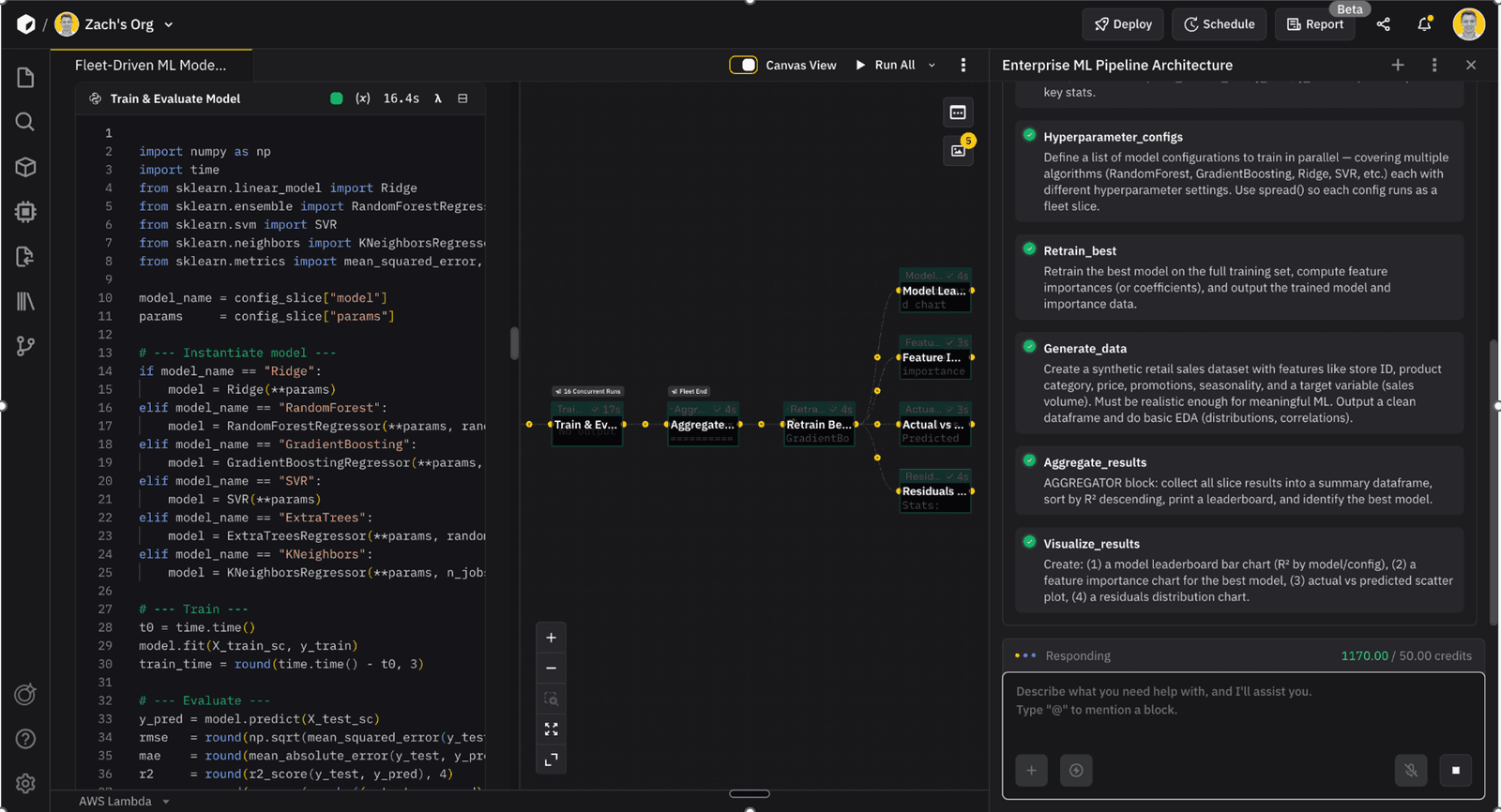
Institutional knowledge is Zerve's answer to that problem. Every analysis the agent runs is captured and made available to future analyses. Research compounds. The agent understands what your team has already done and builds on it rather than starting from scratch.
DAG-based notebooks give each cell its own cached output and execution state. Run a factor model, cache the result, iterate on the signal generation without re-running everything upstream. Python, R, SQL, and PySpark work in the same environment.
For firms with data security requirements, Zerve deploys on-premises or fully air-gapped. Model calls go directly from your environment to your LLM provider. Nothing routes through Zerve infrastructure. Enterprise deployment details.
See how quant researchers use Zerve. Free tier for individuals. Pro at $25/month.
Legacy Research Environments
Jupyter + Extensions
Jupyter is still the starting point for most quant researchers who are not working inside a larger platform. The combination with GitHub Copilot, nbstripout for version control, and Papermill for parameterized execution covers most individual research workflows.
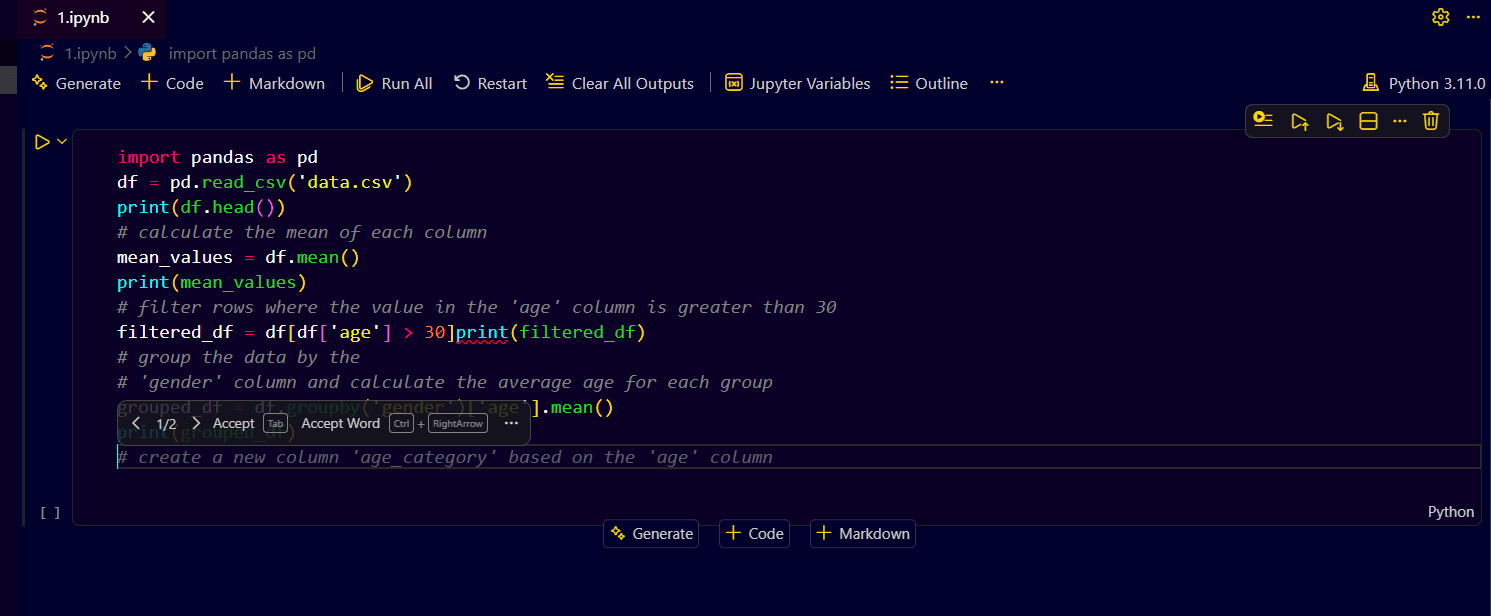
The structural problems are well-documented. Collaboration is painful. Reproducibility requires discipline rather than architecture. Deployment requires a separate workflow. For individual researchers, it works. For teams trying to compound research, it creates friction.
Jupyter is free. GitHub Copilot from $10/month.
MATLAB
MATLAB remains the standard in specific quant domains: signal processing, options pricing models, and mathematical prototyping. The toolboxes for statistics, optimization, and financial instruments are genuinely deep.
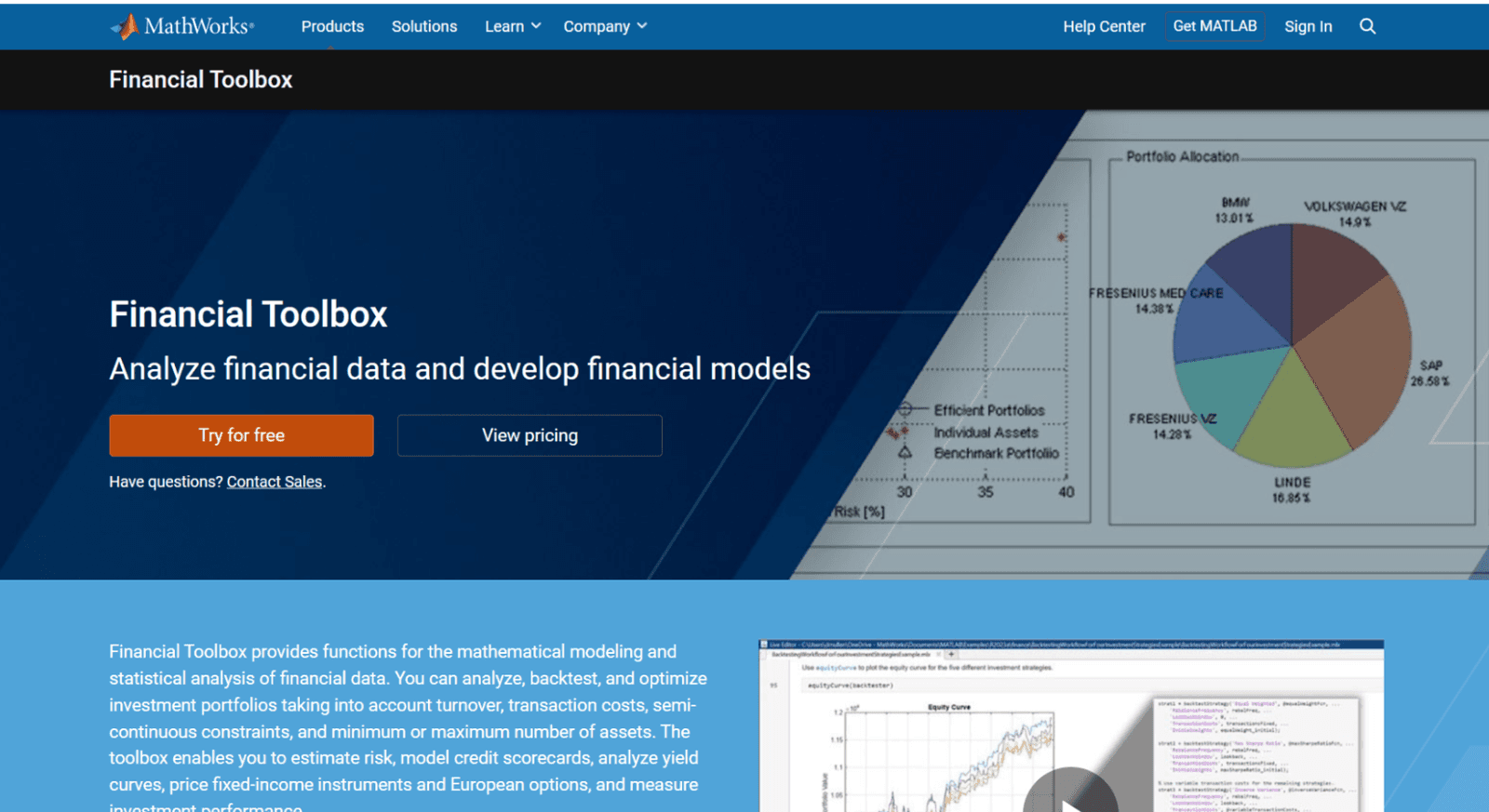
The transition from MATLAB prototype to production code has always been expensive. Licensing costs add up across a research team. Python has taken significant share in recent years, particularly for newer researchers. MATLAB holds where it has established depth.
Individual licenses from $860/year. Team and enterprise pricing available.
Kdb+/q
For high-frequency strategies, kdb+/q is in a category of its own. The columnar time series database handles tick-level data at a speed nothing else matches. The q language is purpose-built for the operations quant researchers need on time series data.
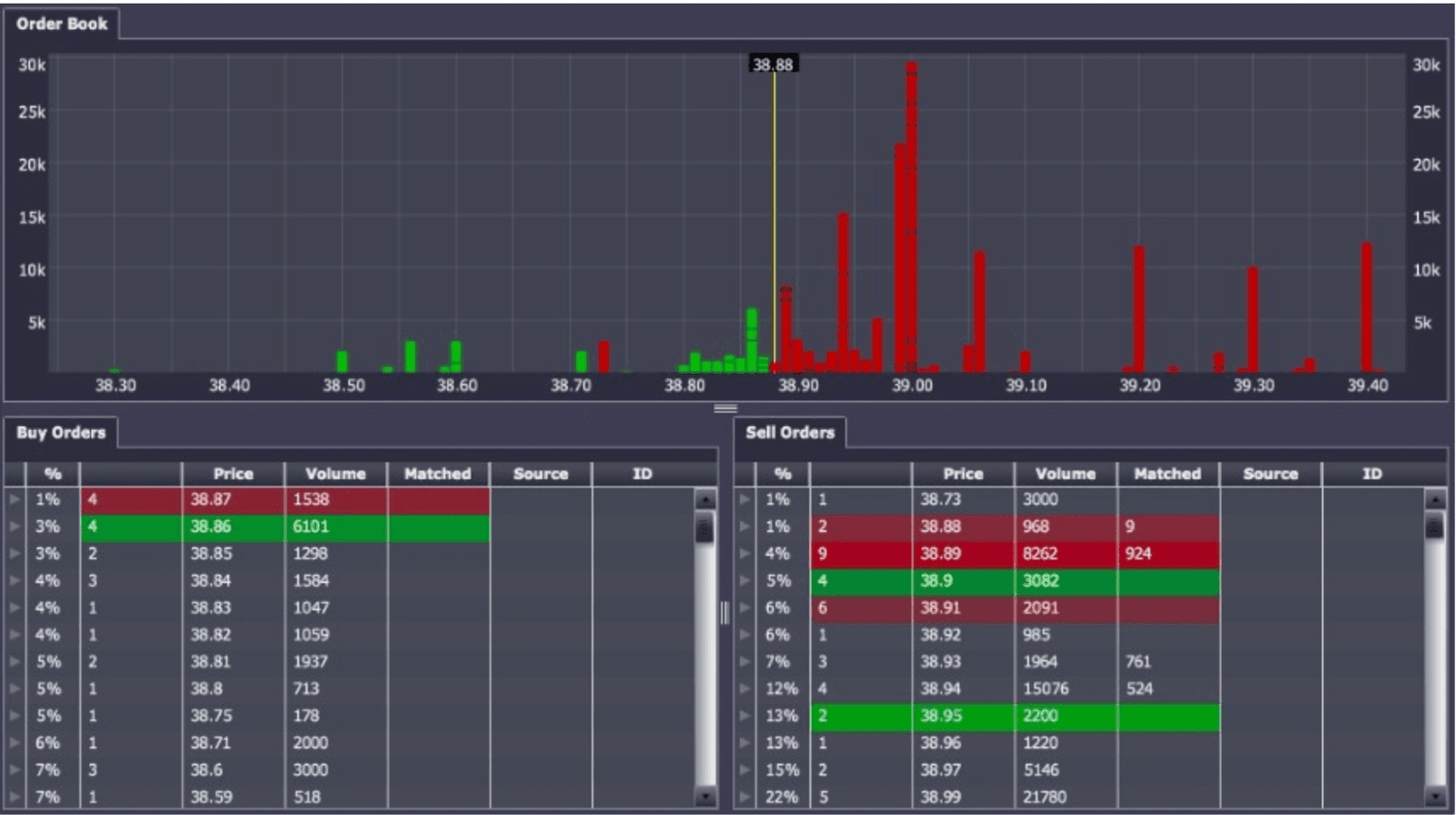
The learning curve is steep and the developer pool is small. Firms that need microsecond-level analysis accept both. Firms that do not need that performance profile find the complexity unjustifiable.
Enterprise licensing. Significant implementation investment required.
Cloud Research Infrastructure
Databricks
For large-scale factor research, cross-asset analysis, and ML-based alpha generation, Databricks handles the infrastructure layer. Lakehouse architecture, distributed compute, MLflow for experiment tracking.
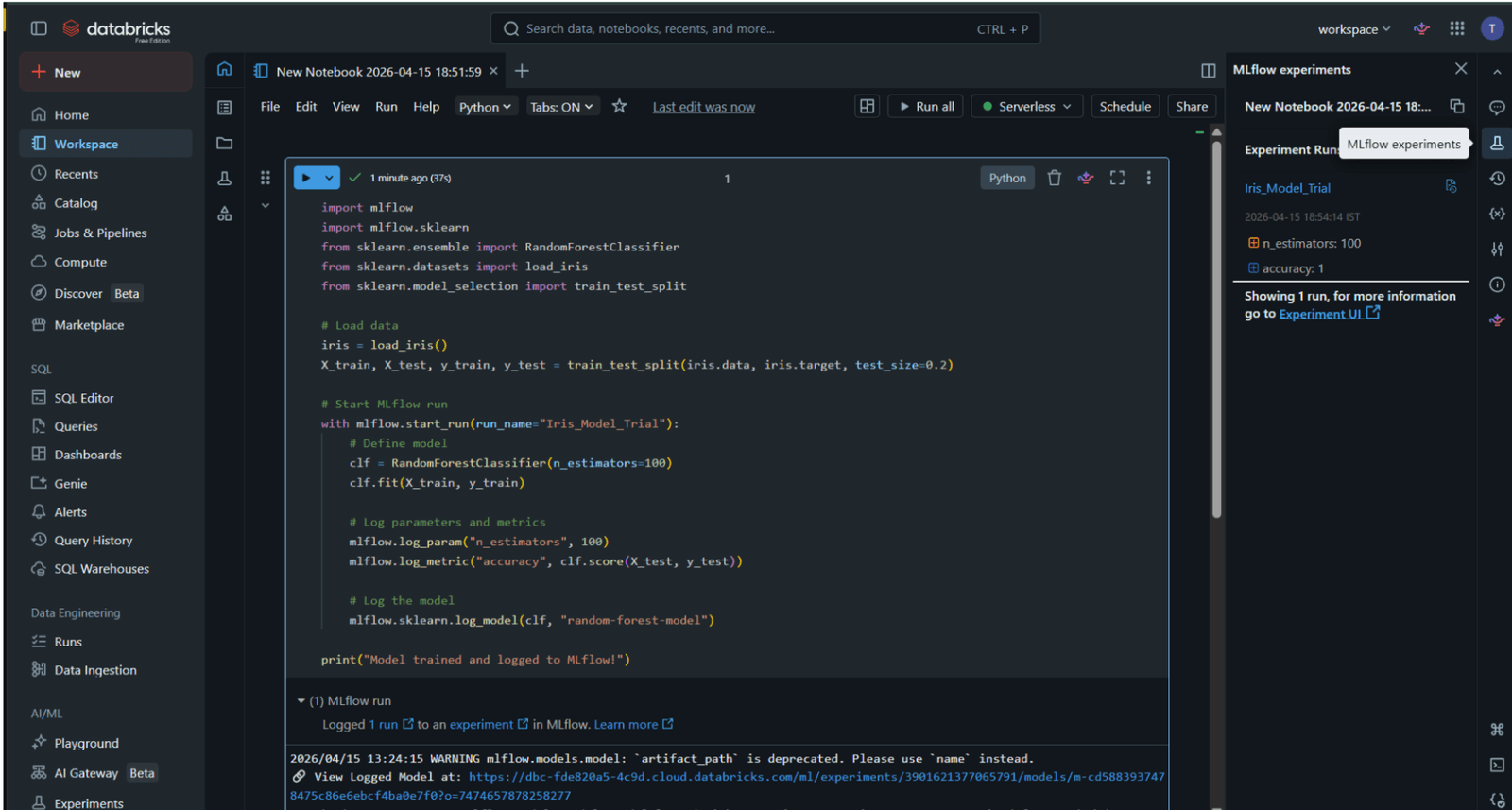
The platform assumes engineering resources to manage it. Research teams that want to focus on research rather than infrastructure find the operational overhead significant. Firms with dedicated data engineering functions get more value.
Usage-based enterprise pricing.
Snowflake
Snowflake is increasingly common as the central data warehouse for quant teams aggregating multiple data vendors. Cortex AI adds SQL-based ML capabilities. The separation of storage and compute handles the spiky query patterns common in research environments.
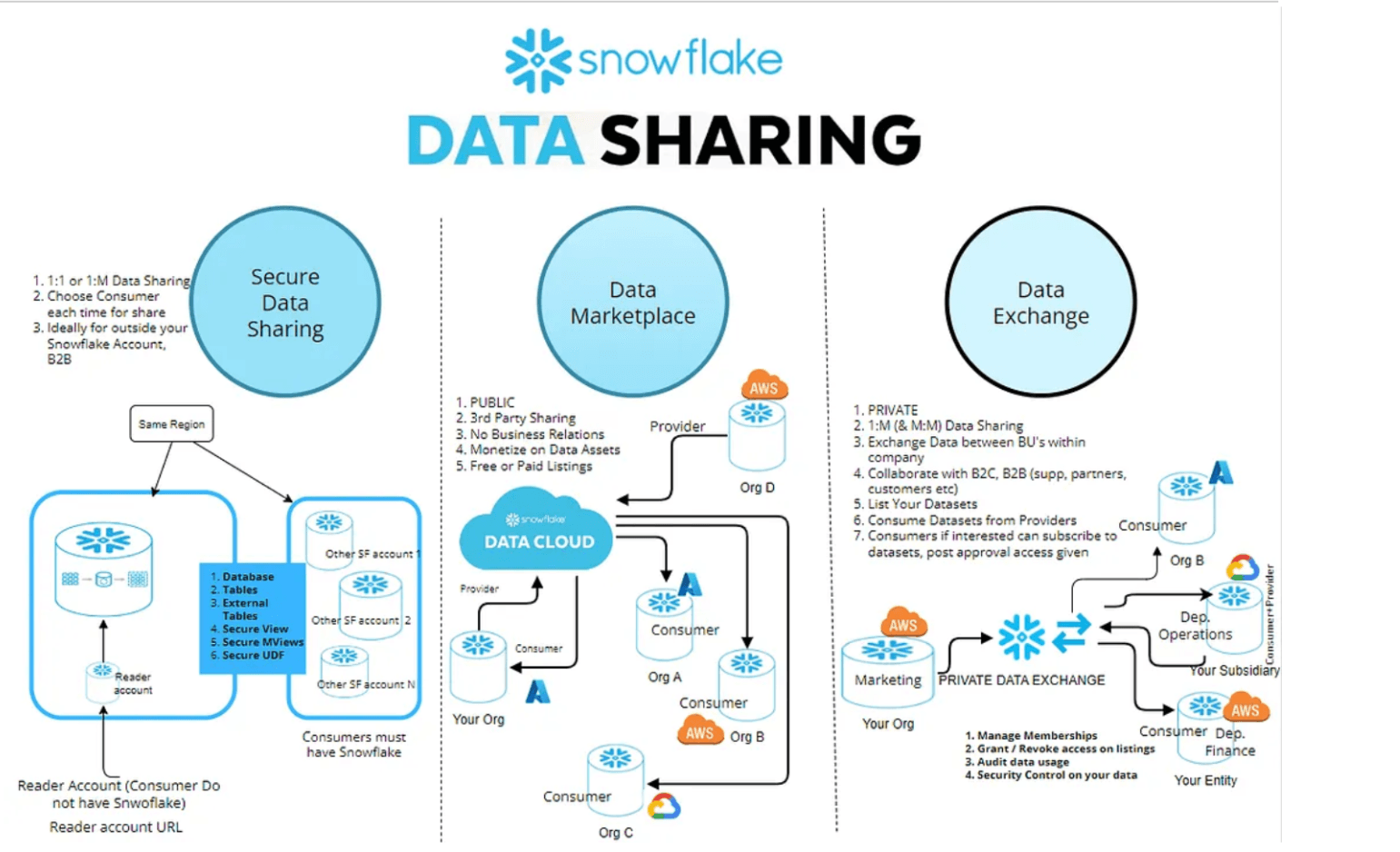
Snowflake is a data layer, not a research environment. It pairs with Zerve, Jupyter, or Databricks rather than replacing them. Strongest where data consolidation and cross-team data sharing are the primary challenge.
Usage-based pricing.
Algorithm Development
QuantConnect
QuantConnect integrates historical data, backtesting, and execution into one platform. Researchers write strategies in Python or C#, run backtests against clean historical data, and connect to live brokers from the same environment.
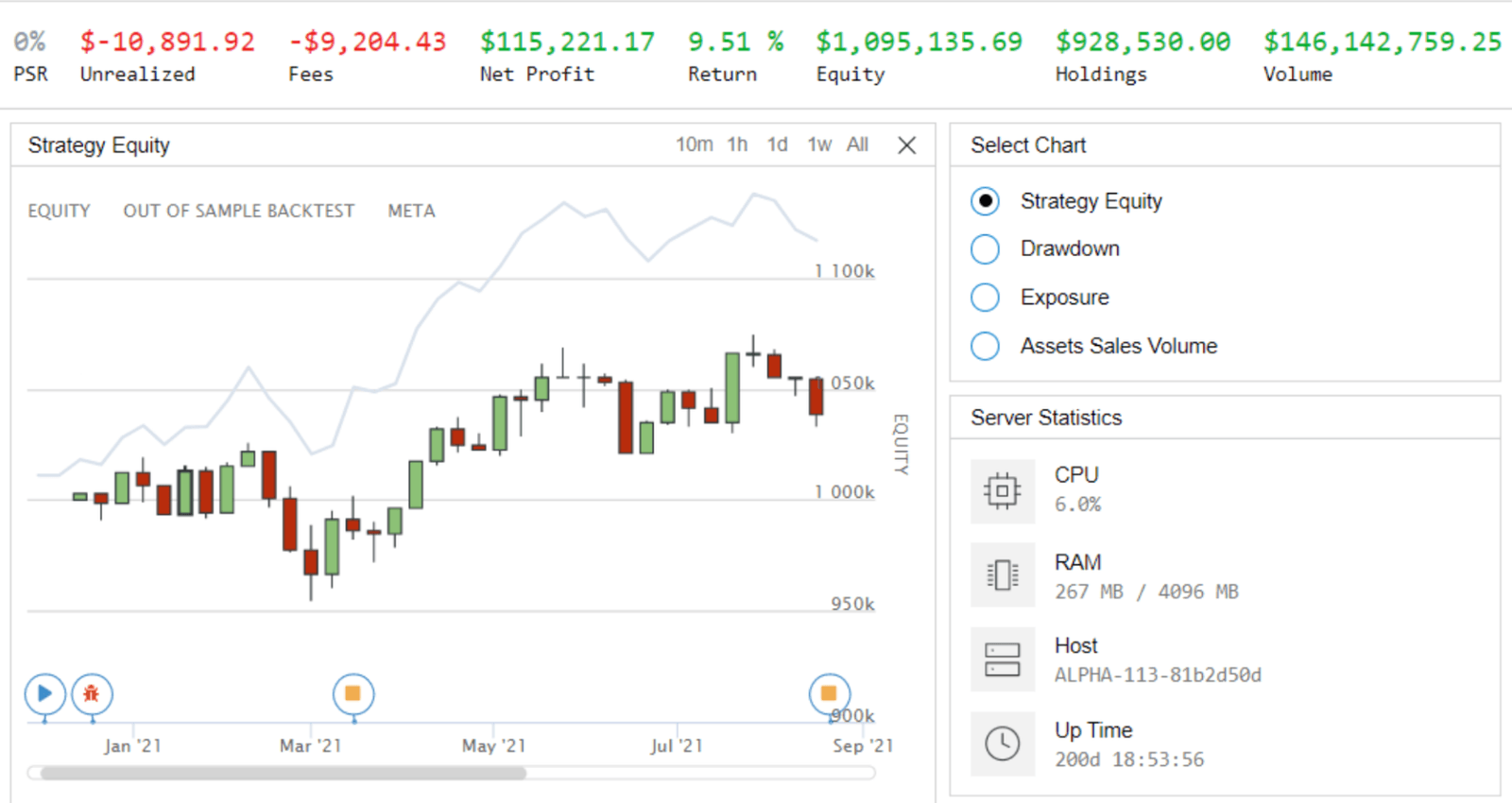
The data library is substantial and the backtesting framework handles most strategy types. The platform is optimized for getting strategies to execution, which is valuable for systematic traders and less relevant for pure research teams.
Free tier available. Professional plans to $300/month.
Research Documentation
Hex
Hex earns its place in quant workflows specifically for the research-to-stakeholder communication problem. Build the analysis in notebook mode, publish a clean interactive app without any engineering work. Useful when research needs to be presented to portfolio managers or risk committees.
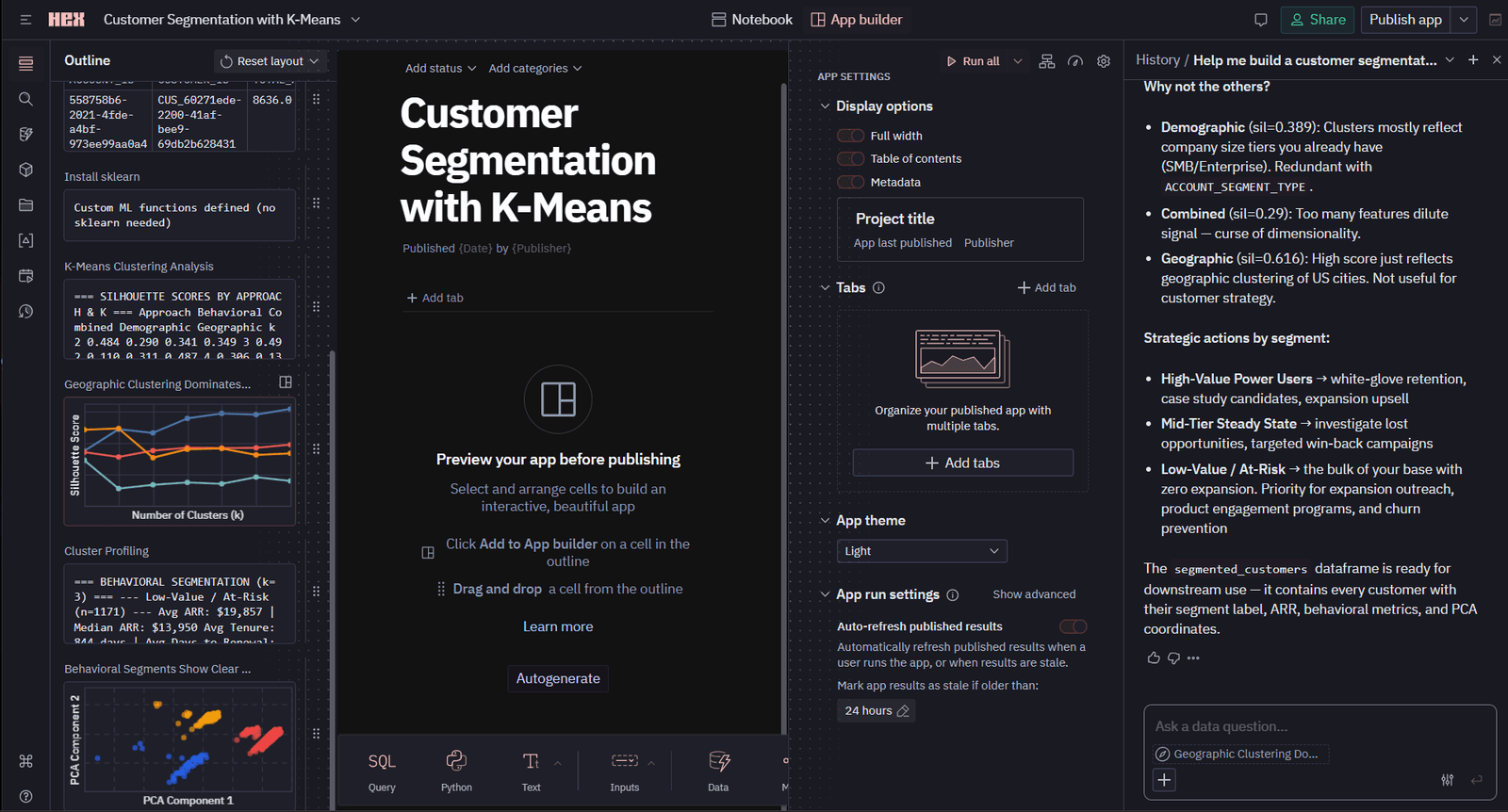
Not a replacement for the primary research environment. A layer on top for communication and documentation.
Free tier. Team plans at $24/user/month.
Bloomberg Terminal + BQuant
BQuant brings Bloomberg data directly into a Python notebook environment within the Terminal. Researchers who live in Bloomberg get analysis capabilities without context-switching to a separate environment
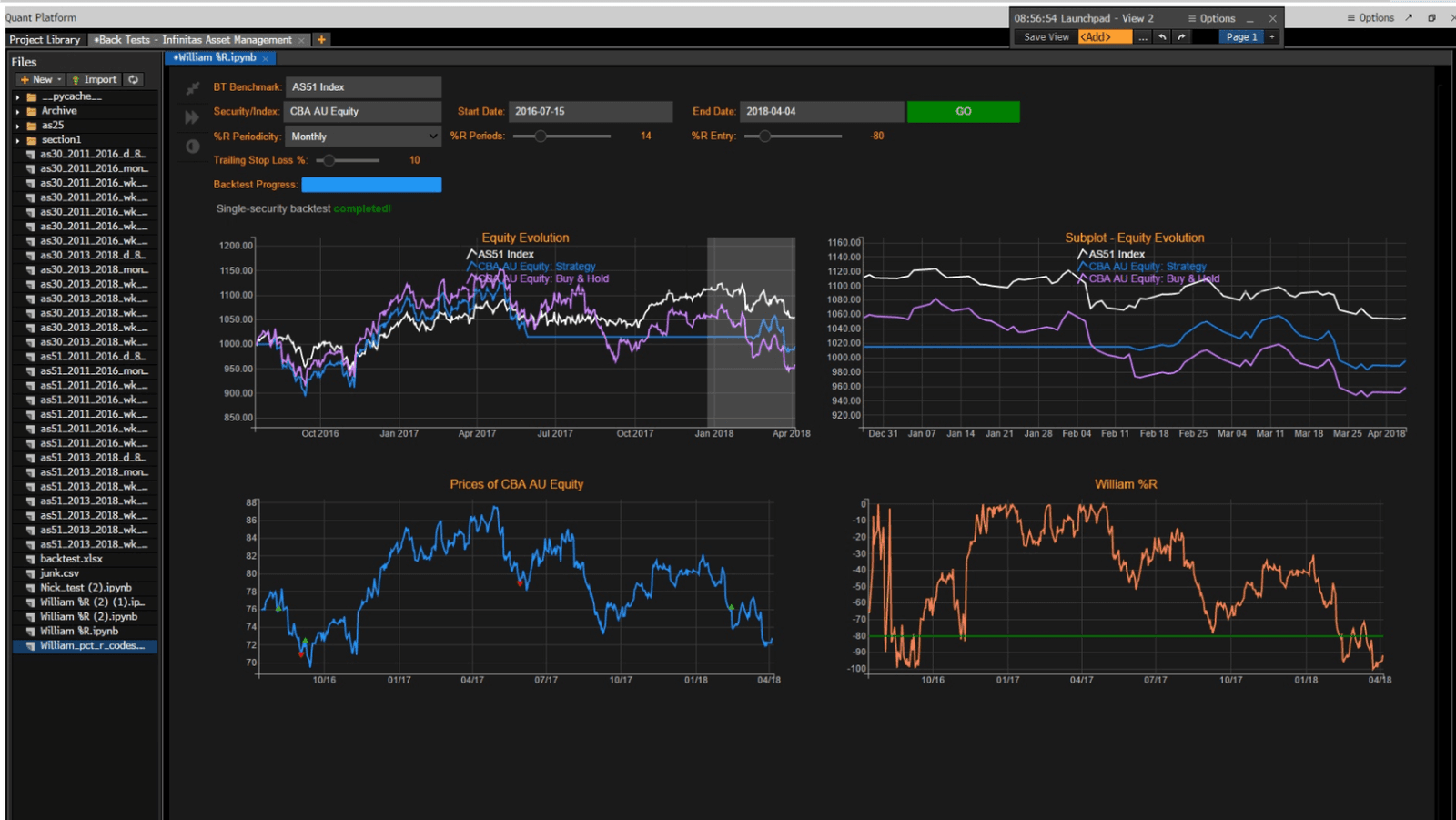
Only relevant if Bloomberg Terminal access already exists. The data access is unmatched for public market research. The environment itself is more constrained than purpose-built research platforms.
Bloomberg Terminal pricing applies. BQuant included for Terminal subscribers.
Weights & Biases
W&B applies to quant workflows where ML-based signal generation is the research focus. Experiment tracking, model versioning, hyperparameter sweep management. The comparison tooling handles the iterative model development cycle well.
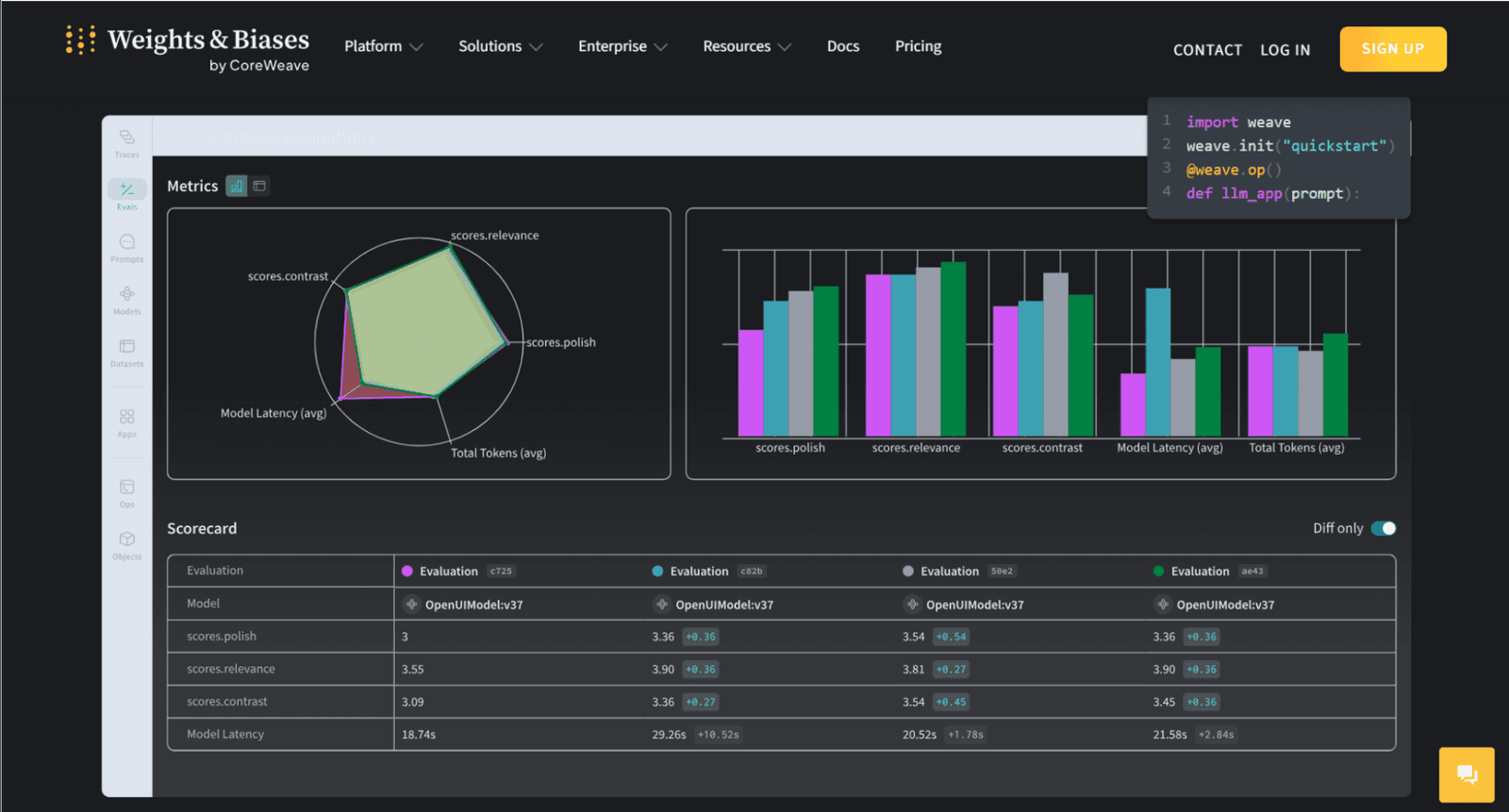
Complements the primary research environment rather than replacing it. Sits above your training code and tracks what worked.
Free tier. Teams from $50/month.
Matching Tools to Workflows
Systematic research teams that need compounding institutional knowledge and alignment with predictive analytics for data teams: Zerve.
The agent understands prior research. Every analysis makes the next one faster.
Firms with air-gap or on-premises requirements: Zerve enterprise deployment. Model calls route directly to your LLM provider, not through external infrastructure.
Individual researchers in standard environments: Jupyter with Copilot covers most workflows. Add W&B when ML model tracking matters.
Tick-level HFT research: Kdb+/q. Nothing else is close on time series performance.
Mathematical and signal processing prototyping: MATLAB where toolbox depth justifies the licensing cost.
Strategy development through execution: QuantConnect for the integrated backtest-to-live pipeline.
The compounding problem is the one that separates good research platforms from great ones. Zerve's institutional knowledge layer is the only architecture that addresses it directly. Free tier available.