From Data Science to Founder Mode: Building What Actually Matters
February 03, 2026
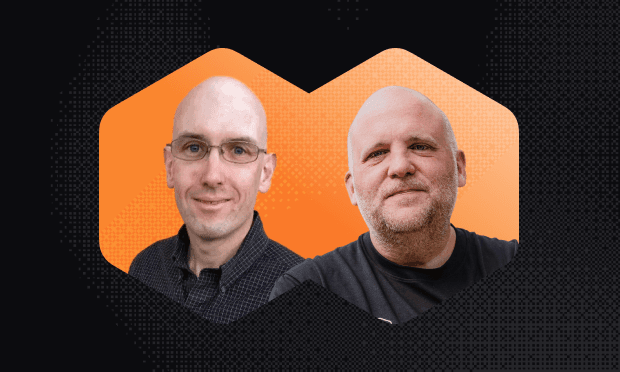
In this upcoming conversation, Greg reconnects with Andrew Engel to reflect on the winding paths many data scientists have taken over the past decade. Expect a wide-ranging discussion touching on the evolution of the AI ecosystem, lessons learned from B2B SaaS and consulting models, and what happens when experienced practitioners step away from established companies to build something new. The episode will also explore how emerging tools like large language models are reshaping work, startups, and decision-making, alongside broader reflections on remote work, product-market fit, and building technology with real human impact.
0:01
[music]
0:07
[music] All right, welcome back to Data Day uh with Greg Michaelelsson. I'm uh excited
0:14
to be joined here with Andrew Angel, good friend of mine uh back from the data robot days. Uh we haven't actually
0:21
actually chatted in in ages really. So I'm looking forward to catching up with you and hearing what's going on in your life.
0:26
Yeah, absolutely. Let's get started. So what are you up to? Yeah, let's see. Let's hear about it. What give me the
0:31
give me the rundown. Yeah, so right when I when I left data robot, I stayed in the we'll call it the
0:38
data science and adjacent B2B SAS space for six years like I think a lot of us did. We were comfortable in that space.
0:45
Um rode the initial wave of the LLM base rappers if you will.
0:52
Okay, tell me. I'd love the details on that. Which ones? Yeah. So, right, I when I left data robot, I went
0:59
to a data engineering company trying to be the data engineering version of data robot, which was
1:04
an interesting place, right? In fact, some of our other friends went to a different version of the same thing.
1:10
Which um yeah, but um that didn't really work out. It became just another metric store
1:17
or something partially, you know, market dynamics and such. [snorts] And so I went to a company that was trying to
1:23
build more customized data science solutions as a service. Okay. Which worked okay until
1:30
that was weave.ai. Um they're still around. We can talk about them a little bit. If anyone in insure techch is
1:36
interested, I'm sure they would love to know um or be introduced. But it was it was I
1:46
joined and then very shortly after it was 3 GPT 3.5 was released and the world changed right we just all all said oh
1:53
wait LLMs are the thing to do and the CEO of the company had been working in
1:59
the more traditional uh natural language processing world. So he was in that that world that oh we spend 18 months we
2:06
build a custom model to solve your particular data type to pull out data and he said hey wait I don't have to
2:12
spend 18 months anymore I can do this with a prompt um and right and and so
2:18
rightly so we pivoted but then you end up in the okay now how do I sell this what's the market and we pushed into the
2:26
insure tech space you know automated underwriting that sort of thing um and
2:32
then moved to another company trying to do something similar building custom solutions to individuals but
2:40
I think I became a little disillusioned with the process as we were for the most
2:45
part solving problems people didn't need solved which made it really hard to sell.
2:50
There's [snorts] a lot of that going around. Yeah. And then disillusioned with the with the large
2:56
language models or with the SAS business. We'll have to come back and talk. I I use large language models. They're amazing. I'm a little disillusioned with
3:03
the market around them. Maybe that's the better way to put it. Um I'd love to hear more about that. Yeah, we can dig into that. But um then
3:11
in May of last year, I quit because a friend of mine had come to me with an
3:17
idea. we'll say more traditional machine learning where he was interested can we use a
3:24
cell phone camera video and you know things like YOLO products like that to
3:31
grab movement behaviors and then build models to identify concussions or at
3:37
least risk of concussions just from the mobile phone. So we've been playing with that for
3:43
um what is it now the last nine months. So we formally incorporated in December.
3:50
We actually excitingly have just began getting checks for the angel funding
3:55
round. Um so yeah that that's what we're doing of leveraging the same skill sets
4:00
we've always used but now sitting on the other side actually trying to build the product and worry about how do you how
4:06
do you go to market with a product like that. So you can take a you could just take a selfie or like a video and diagnose. The
4:15
idea is that we can walk you through having them do some uh specialized
4:21
movements and then by doing, you know, pose estimation and that sort of thing and how how people move when they're not
4:28
impaired versus when they are impaired. Um and then there's a machine learning signal that you can pick up.
4:33
Gotcha. So it's not like pupil dilation and stuff like that. It's more like gate analysis or or something like that.
4:40
Yeah. It's looking at how people move. Wow. Does it work? Have we have we tried it? Like
4:45
we we have [snorts] we have a proof of concept, but um it's hard to get
4:50
concussion data. You know, people don't let you go around giving them concussions to run your tests. So we
4:56
have a small data set um that is tantalizing because it works in the
5:01
small data set that we're at the point where we need to go get a lot more data beginning to work with partners
5:08
a hospital or or an ER or something and and just like sit around and wait for concussion patients to come in.
5:15
Well, you know, there are people in the medical field and other places that are interested in this that will help you gather data. But yeah, I mean all of
5:23
those you end up in institutional research boards. Not something I ever needed to worry about as an industrial
5:28
engineer. Um, no one really cared what the factory thought of the experiment we
5:33
were running, right? [laughter] No, no people involved. Huh. Yeah. All right. Cool. And uh how who I guess
5:42
who would be the the customer? Who who's the user of your of this product? I mean that's the interesting thing. I
5:48
think there's a large market because um this is really hard for emergency
5:53
rooms. Concussions come in, right? To be fair to the emergency room doctors, they're not trying to fix things other
6:00
than the things that are easy. They're mostly trying to diagnose and get you to the specialist, right? But they're generalists and concussions
6:08
are really hard to diagnose. And so, um, how do you go about
6:13
how do you traditionally diagnose a concussion? There's a handful of tests that they do that like if you go to the
6:19
NC2A website, they actually have a checklist for their athletes that you go through, right? And so you've seen some
6:24
of those silly things about who's the president, what's the year, right? Just to see how stuff is going.
6:29
Batman. Yeah. The sneakers commercial. You've seen that? Yes. Yes. Yeah. Those sorts of things.
6:35
Um and but they're imprecise, right? They're they're subjective. Um so there's options there. Primary
6:43
care physicians see concussions all the time as well. They're not oftentimes trained more than just superficially to
6:49
identify this sort of thing. Um I think there's a huge market in parents because we have kids going out and having falls
6:57
and such. And I I mean do you take the kid to the emergency room? Is it a fall that they need help for or is it not?
7:04
And I think all parents have been in that moment of is this bad enough that I need to take them to see a doctor or
7:09
not? Right. It's It's one of the But is it drama or is it uh you know, is it a serious thing?
7:15
Yeah. Okay, I can see that. Yeah. Yeah. And the way that it's set up now, do I have to do, you know, am I like
7:21
touching my nose or like am I doing specific things or just specific things? So, it' be like the parent leading you through a sequence of
7:28
tests. Gotcha. Okay. And and then and then I get to learn about edge computing as opposed to cloud
7:34
computing. How do you how do you do this efficiently at the edge as opposed to pulling it up? Right. [snorts] Doing it
7:40
on the device would solve a lot of like HIPPA problems and stuff. That was the other thing. Yeah. Yeah. Exactly. Got to keep that data on
7:47
the device. There's a huge amount of compute. I I saw on uh LinkedIn the
7:53
other day that there's a company out there that is doing storage uh cloud storage, but they're just building a
8:00
giant network of people's computers. And oh I you know I think these ideas come
8:06
up every once in a while that you you get a lot of free backup storage but you have to make some of your disc available
8:12
to other people. I don't know if that's the particular one here, but I recall people doing this in the past, but I
8:19
mean bandwidth is getting so cheap for people, right? I mean, when when we started, hey, I have a megabit per
8:26
second um speed band broadband were going, this is amazing. I can actually my my web
8:33
pages loaded now. It's one of those if you don't have 100 megabits, you're slow and people are getting gigabit type
8:38
speeds. Yeah. Yeah. I have two at my house. Although Wi-Fi is much slower than like
8:44
you in order to get two gigabits, you have to have a wired connection. Most things these days aren't wired. So,
8:50
um yeah, it's the problem. I had some friends who who wired their house with Cat 5 and now they're kicking themselves
8:56
because it's not fast enough. Yeah, but you know, I mean, it's not fast
9:01
enough for what, right? Cuz like you know what what could you possibly need faster speeds than the max Cat 5 speed?
9:09
Well, well, yeah. I mean that's that's that's true but you know compute expands to fill the capacity right that's what
9:16
we discover. Yeah, that's true. That's true. But that whole idea of uh of edge computing is really interesting. I mean,
9:22
Apple seems to be doing a lot of of uh like embedded large language models on
9:27
iPhones and although they did announce in a partnership. I think I saw that they announced a partnership with Claude.
9:33
Am I wrong about that? Google. Google. Yes, it was. It was Gemini. It was Gemini. That's that's what it was.
9:38
Yeah. It was it was kind of an one of those ironic things since they've spent what the last decade trying to get away
9:44
from their Google dependence and they turned around and asked Google to help them with their AI strategy.
9:49
Yeah. But that sort of takes it to the cloud instead of off the device. Yeah. I I mean it it it's an interesting
9:55
one because these really powerful models are massive, right? I don't I don't know how you process that on the edge, but
10:02
yeah, absolutely. the smaller models, the quantized models. I think there is a lot of room for simple specific things
10:09
done on the phone. So talk to me about your your feelings on this whole large language model
10:16
software space because we're certainly playing in that space like Zer has a coding a I I know and everyone is and I think
10:23
everyone's forced to. I mean if you're not doing it, no one pays attention to you. Yeah, no question.
10:29
I mean, I think I think the problem is LLMs are a tool and they're an amazingly
10:34
powerful tool. They do some things amazing, right? I never would have been able to build a mobile phone without an
10:40
LLM helping or a mobile app without an LLM helping me code, right? I don't want to call it quite vibe coding because I
10:47
don't think it was quite that. It was more of I don't need Stack Overflow anymore. It just auto autopopulates the
10:53
questions I have and then I manually debug. Yeah. um or honestly it's actually
10:59
halfway decent of right I think we all debug by going to Google and putting in the error message and then Google says
11:06
hey dummy this is what it is well l do that just as effectively exactly um
11:11
so they're amazingly powerful there but it just feels like there's an
11:17
overwhelming number of the simple the like rappers over LLM being sold right
11:24
now and so you get so much noise. I mean, in the last month, I think I've
11:29
had three different people reach out to me offering me LLMbased product management, and it's one of those A,
11:36
that's not really a pain point of mine at an early stage startup. And B,
11:42
I mean, I could write that prompt myself. I'm not 100% sure you're providing any real value to me over
11:49
that. So I I think that's my biggest problem is we have just so many of these companies doing relatively lightweight
11:55
stuff and honestly in many cases not really high quality stuff. I just got a
12:01
LinkedIn message a couple days ago that was trying to sell me on, you know, LLM
12:06
SDRs and the message sent to me was gibberish. And I'm thinking that isn't
12:11
really the best use case or the best example demo of your product when you
12:17
don't even get my job title right or my uh background right. Yeah. Yeah. Yeah. The cold the cold
12:24
calling stuff has gotten out of hand. Yeah. I mean, people thought that the internet was dead before, like, you
12:30
know, all the content was written by bots. Now, not only is all the content written by bots, but it's also, you
12:37
know, 10 times more of it because it's just so easy to to pick. Yeah. And and and [sighs]
12:42
I don't want to call it lowest common denominator content, but right, it's it's a statistical engine. It's giving
12:48
me the most likely content, and so it kind of ends up in the middle. And so, there's just a lot of generic
12:56
kind of empty content that ends up being created. And so it it takes a really talented individual to convince the LLM
13:06
to generate something other than that that common stuff. And so I think that's the problem. There are some phenomenal
13:12
prompt engineers out there doing absolutely amazing stuff, but a lot of what I see
13:18
let's talk about that because prompt engineering to me seems like a load of uh snake oil. [laughter]
13:26
Okay. So, that's a that's an interesting one. So, I I think
13:33
I think there's a couple of things because LLMs
13:39
um in some ways mirror what they're given, right? If you go in one direction, um
13:45
they'll tend to give you something similar to that, right? They want to they want to be light isn't the right
13:51
word, but they're kind of trained to be um supportive, right? That's how Yeah. No, this just this morning I uh I
13:58
popped on to Google and I typed in, "Does Splenda cause an insulin
14:03
response?" Because I'd heard a news story on that. And then it it came back and said, "Yes,
14:09
yes it does." And so then my next thing I typed in was which artificial sweeteners cause an insulin response?
14:17
And it basically came back and said all of them. So then I went back and typed which artificials artificial sweeteners
14:24
do not cause an insulin response and it came back and said none of them. None of them cause an insulin response. So just
14:31
depending on how you write the question, you get completely different answers on a lot of topics.
14:36
Well, and and that's my example of why prompt engineering matters. you have to be really careful about what you tell it
14:42
because it does come back and it wants to confirm what you're saying in some
14:47
ways. Um, and so it'll try and it'll justify and LLMs are amazing at
14:53
rationalization, right? They give you a plausible sounding explanation. And so I think you
15:00
have to be careful and you have to be careful with the kinds of questions you ask. Um, I think you actually highlight
15:06
one of the biggest problems I have with the entire um, rag community. I mean, it
15:12
does amazing things. I've seen astonishing things done by rag systems where it pulls information I never would
15:18
have expect. But then you turn around and it hallucinated an entire document because there wasn't the information you
15:26
needed or or it added something to a document that existed. Um and and I
15:31
think it comes back to that um what am I asking it to do and it's trying its
15:36
hardest but when you ask good questions or when you ask it
15:42
right if you ask it kind of controversial or not I don't want to say controversial but um conflicting
15:48
information it's like this is what I believe what are the examples against it sometimes it does break out of that loop
15:55
but it's also strangely literate right the more literate you ask the question,
16:00
I think the more literate the answer comes out because it's it's mirroring, right? It's saying, "Oh, based on this,
16:06
this is the kind of text that came back." If I ask it a really simple question, most of the time the answer is a
16:12
relatively simple answer. When you begin asking a more complicated, nuanced question, I think it just naturally
16:18
falls into a more nuanced response. [snorts] And if you're mean to the LLMs, they
16:23
produce significantly better results. Have you seen this? I I I I have sworn at an LLM in the past. Yeah.
16:29
I I put an fbomb in almost every prompt I send because the results end up being better. It's so weird.
16:37
Yeah. I I it it there's something in Well, it's trained on the internet, right?
16:46
So, what uh talk to me about the uh your experience going from uh employee to
16:52
founder uh and and what that's been like for you. Yeah, it's so so to put it into context,
16:59
I never wanted to be a founder. I mean, when I was at data robot, all of those, I never saw myself as the founder. I
17:05
didn't want the responsibility. I didn't want um the headaches to be perfectly honest.
17:12
I like the fact that someone else had to worry about those things and and I could show up, get my paycheck, and go home.
17:18
Um but I think the the cultures changed,
17:23
too. It it's especially in the early stage startups, it's gotten much more
17:29
founderlike as a regular employee than I think it once was. Say more about that. What do you mean by
17:34
that? Well, you know, at data robot, we worked hard, right? We worked, you know, 60, 80 hour weeks a lot of times, but I did get
17:42
time to myself. I could budget time and be left alone. Um, I could take
17:47
vacations. In fact, um, in a lot of the early stage startups, it feels like they
17:53
expect you're going to be available at 6:00 in the morning on a Saturday, and they get somewhat unhappy if you're not
17:59
available anymore. And, you know, it thinking back to what I'm
18:06
trying to build, you know, this isn't an emergency room. I'm not a doctor on call. It's very unlikely my customer is
18:11
going to die if I don't respond by Monday. Um, and if they do, it's probably not my fault. Um, so there
18:20
there's a artificial pressure and stress, but it's also I mean I get it early
18:25
stage startups you're you're in a race against time and there's stress, but as
18:30
a employee you don't own that stress, right? It's not yours. And honestly, the
18:37
payoff is asymmetric. The payoff I get holding 1% of the company at series A is
18:46
significantly less than the founder gets with their with their ownership and
18:52
liquidity privileges and all sorts of things play into that even more.
18:58
So, I wasn't looking for it. I just got fed up with the world I was in. And to be perfectly honest, when I was looking
19:04
for something a little more stable at a little more stable company, um the job market had seized up, right? Especially
19:10
for experienced data scientists over the last year. Well, for junior data scientists, it's
19:17
even worse and has been even worse for much longer. But over the last year for experienced data scientists, it just
19:22
kind of seized up and there was right, there were zombie postings. Um it was just brutal.
19:28
And so when my friend came and said, "Hey, let's go do this." this it's one of those what do I have to lose?
19:34
Um so I jumped into it and it's kind of been eye eye opening because there is a
19:39
freedom that comes with that level of responsibility and and all of a sudden the 1000 p.m.
19:46
Saturday debugging session doesn't feel like a grind as much as it's it's now
19:52
mine, right? It's my baby. It's my creation. And I can put that in and it doesn't it doesn't feel as um
20:02
soul crushing as it did when I was an employee doing the same. [clears throat] Sure. I totally totally makes sense. How
20:09
many how is it just you and your your co-founder or do you guys have employees? So right now it's just the two of us. We
20:15
have we have a handful of people helping us out because we don't have any money. So the only thing we can really do is
20:21
volunteer for now and we'll hire you when it finally comes in. There's a handful of people. Um I know so I know a
20:28
bunch of engineers in Latin America. Um many of whom are also looking to get out
20:35
of their outsourcing environment. So if they can if they can make friends with me and show value, they're hoping they
20:41
get a real job as opposed to an outsourcing job. Um there's some people in the United States who have
20:47
connections that I've worked with in the past. Data Robot was awesome for building networks. So, so there's a lot
20:53
of people not from Data Robot, but that I met through Data Robot who have really
20:58
good networks either for angel investors, potential users, that sort of
21:05
thing. Yeah. What do you think about this whole remote work thing? Um, you know, at
21:12
Zerve, we have like we're very remote. We have a core at in Limmerch in Ireland
21:18
and we've got a kind of a handful of people that are there but probably you know over half of us are are remote. In
21:24
fact, I'm remote so you know I have to do a fair bit of travel but I have super
21:30
mixed feelings about the way that the pandemic sort of like impacted the way people work. Uh do you have any
21:37
experience with that? What are your thoughts? So, this is my time to ask you ask you to explain more. What What What's your There's a It It's funny that
21:45
you say that because at Data Robot, what now? Um 10 years ago, we were remote,
21:52
right? You were my first boss. You were remote. In fact, you moved out of the Bostonbased area to North Carolina
21:59
relatively early on at that point, right? You hired me in Southern California. You hired a number of other
22:06
people in Southern California. you had to, right? We were supporting the West Coast, but sure, we were all remote. Worked really well
22:12
with that team. And honestly, I was I was hired away from HP where
22:18
there was an office here in San Diego. I did everything in my power not to go to that office whenever possible. My boss's
22:27
boss was based in San Diego. Um, but they were never in the office. I
22:33
don't think I ever saw them in the office. Um my actual boss was in um the
22:38
San Francisco office. None of the team was in the San Francisco office. Most of them were in either Boise, Idaho or um
22:47
outside of Portland. So I came from a world where even if I went into the office, it was the equivalent of doing
22:53
remote work. Um so I I think I have a different perspective because of that.
23:00
H. So if you'd like to share I don't know. So personally I I get
23:08
lonely being remote. Do you know what I mean? Like I I really would love to have sort of that uh office ecosystem where
23:16
you're seeing the same people every day and you're like you can go out to lunch with them and you can you know there's a
23:22
ping pong table set up so you can take a break and play ping pong. Uh we have all that in the Limick office and it's
23:27
really fun going up there. Uh but at the same time, it's really nice to be able to say, you know, look, all right, from,
23:33
you know, from 9:00 to 9:30, I've got to, you know, take my kid to doctor's appointment. Uh, so I'm just going to
23:39
nope out of, you know, and then come back and maybe work a few more extra hours in the evening or or, you know,
23:45
[snorts] just make it up, right? So it's it's much less structured. Uh, and you know, the I mean, the amount of work is
23:52
uh also, you know, it's not like the amount of work goes down just because you're remote. Uh, in fact, arguably
23:59
there's more stuff you have to do in order to stay connected and stay in the loop and and stuff like that. So, it's
24:06
it's weird. It makes you further away from people, but also it makes it more important that you try harder to stay
24:11
connected to people? And the other side of that coin is like, are people actually working? You know what I mean?
24:17
like yeah, you know, I I mean I you raised valid points and I
24:23
think one of the first ones that that that human connection my my first job after academia was working in an office
24:30
here in San Diego with a bunch of other PhDs doing data science before data science was even a thing. And we'd go
24:38
into the conference room as we were building custom models and there were some royal fights. I mean, you you you
24:46
you know, you have your PhD, you get a couple PhDs who disagree. It can become quite heated as you're trying to argue
24:53
argue your way through. And we'd have, you know, chairs
24:58
rolled across the room violently as people would storm out. But then we went to lunch, right? At at the end of all of
25:05
that, oh, it's 11 o'clock. Where do you want to go to lunch? And and so we all stood up and and it
25:11
allowed for we'll call it a truth seeeking environment where it wasn't personal. It was I want the best answer
25:18
for the customer. The way we get there is through intellectual conflict
25:23
but recognizing that it's intellectual. It's not personal and and you lose that sort of thing. And
25:30
right I mean it it's it's the dorm room conversations we joke about in college. The same thing happens around the water
25:36
cooler. you have those, you know, existential questions or the the nature change, right? It's about the customer
25:42
or the business or you get a sense of how the business is doing because of those that you lose when you move to a
25:50
remote environment. I think I think it also depends on the job. There are some jobs that are,
25:57
you know, kind of collaborative and it does become harder. I think like if you're a junior software engineer and
26:04
you've been given this ticket and it's really go implement this function
26:11
we'll talk about the con the negatives of this but in the the positive is you
26:16
need that silence you need that time and I think in my case I always found it
26:22
better easier to find remote than I did in the office because I didn't have people walking past right and they're
26:29
not even trying to bother me it's just they walk up behind me, you get that sensation. You turn and you look, it takes you out of it. Um whereas when I'm
26:37
at home, I can close my door, there's nothing around me. Um other than the lawn mower or the um blower or
26:43
something, Amazon delivery guy or Yeah. disturbing me. Um so I think there's some benefits from there. And
26:50
absolutely for deep work, being at home is so much better than being in the office. But but there's that
26:56
collaborative bit that you have to work a lot harder and you have to figure out how you do it. And the con the the one
27:04
problem is right when I'm in the office Slack isn't that important. I can just
27:09
go talk to the person. But isn't a problem right now in the startups, but you know, I was in
27:14
companies with just 20 people and I'd get multiple emails a day and 20, 30, 40
27:21
Slack messages an hour and all of a sudden I can't get that deep work because it's just constantly pinging me
27:27
because people are trying to stay in contact. Mhm. So, yeah, I I think there's some some
27:33
Have you Have you found that the large language models are helpful in any of that at all? I haven't found
27:39
I just built a um uh an integration with Slack that summarizes my Slack and gives
27:45
me action items every day on a three-day rolling window. Oh, I I saw you you posted this on LinkedIn last week, maybe.
27:52
Yeah, it's actually super helpful. So, every morning I get up at 5 or so in the morning because my company's based in
27:58
Ireland. I I get it. I used to sell uh or or work with European customers. I I did the
28:04
same thing on the West Coast. Yeah. Yeah. Yeah. So, I'm up at, you know, 5 5:30 every morning and, you know, I go
28:10
right into my Zerve canvas or my Zerve notebook and I look at, you know, what the actions items are, you know, just to
28:16
make sure, you know, kind of almost like getting the context for the day to because it it's not looking at just
28:21
messages to me. It looks at anything that I have access to. [clears throat] And so I'll read about, you know, some issue they had in engineering or some
28:28
product question that went on and, you know, like I'll get kind of the the rundown, right? It doesn't give you the
28:36
exact answers, but you have a sense. Yeah. And a lot of times I'll see something that's like
28:41
it's like um oh that I forgot all about I forgot that they asked me to review that document or or whatever. And so
28:48
it's good for like it's actually an awesome use case. And it also right when you have 40 Slack channels
28:55
going, you can't track all of them. And there's often times things that are
29:00
relevant to you, but that no one's calling out to you and you would probably skim over if you didn't see
29:06
more specifically. So it it helps you catch things that you might have missed otherwise. So yeah, I I mean I can see
29:12
that. I haven't tried building that honestly as the LLMs took off and I left
29:18
the company. I don't have a Slack problem at the moment. Um I will I I have zero doubt. Right now, my biggest
29:25
problem is Google decided I really want the summary at the top of my email on my mobile
29:32
phone. And now I'm reading the messages and I can't actually see the message because Google is insisting on
29:38
summarizing the first message from a chain that all happened in the last hour
29:43
and I know the context for [laughter] Well, that's Android for you. Yeah.
29:49
Wait, are you are an Android user? I am an Android user. Yeah. Yeah. Yeah. Well, there's no accounting
29:55
for taste. I'm teasing. Uh, how are you using large language models in your life? Uh,
30:00
otherwise, like personally, yeah, I mean, you can use it as kind of
30:06
an adversarial. It's like this is what I'm thinking. Can you identify some of the consequences and such? So, I've been
30:12
using it as I think about, you know, I'm building a new company. What culture do I want to build? How do I want to do
30:19
various things? Help me understand go to market strategies, right? It's got it's
30:24
basically got McKenzie in a box. So I can ask for a lot of the stuff I'd be
30:29
paying millions of dollars to consultants for. Um so I think there's a lot of that that I use it for. Um
30:37
that's not exactly a personal use though. I mean I get that startup life is like well everything everything is personal and
30:43
and that sort of thing. [laughter] Yeah. Yeah. Well and and and that's the thing. I spend my life on a computer. Um
30:50
my work life on a computer. I actually try to spend as much of my personal life not on a computer. So, it's it's a lot
30:58
of trying not to use LLMs um any more than I So, you try to you try to filter them
31:03
out of your life. Well, I try to filter the computer out of my life. This isn't an LLM problem. This is
31:09
this is I'd rather read a book or I'd rather go take pictures of nature or I'd rather do something like that with my
31:15
free time because it it I think it helps me when I come back to the computer. Um
31:21
and and so it's how do I avoid them, not how do I use them? Um and so my my use
31:28
cases are oh I need you know someone asks me to help them with their AI go to
31:33
market because I do a little bit of consulting on the side to make money and it's one of those okay I know basically
31:39
what I want to write here's here's my bullet list turn it into a slide. Yeah right those sorts of things flesh it out
31:46
and I use it for a lot. Gotcha. Uh, large language models are excellent cooks.
31:53
Oh. Oh, no. I I have I have heard people doing this where they they say, "Here's
31:58
my here's my ingredients. Give me a recipe." That sort of thing. Yeah. Exactly. I did a dinner party a
32:04
few months ago that was all AI recipes. Uh, and so I didn't do any of the planning. I just said, "Hey, I'm, you
32:11
know, here's what I want to make. Give me recipes for that and some sides and and uh it was fun. It was really fun.
32:17
Mostly everything has turned out really, really good. I may have to give it a try. I do a lot of the cooking. Um, in part because I
32:24
was working from home and so I could have dinner ready when my wife came home as opposed to waiting for her to come
32:30
home and cook for me. It work, you know, it works out. Um, and I don't have commuting costs
32:36
then. So, yeah. Yeah, use that time. Another advantage to the remote world.
32:42
Um, but I haven't tried that. I' I've got a kind of staple recipes that I just
32:48
sort of rotate through. But it's an interesting way to break out of that pattern.
32:54
I I also wonder I also wonder maybe one of the things to play with is, you know, there's the celebrity chefs who who have
33:01
their cookbooks. It's all out there. I wonder if you could take a relatively simple thing and say, "How would I Bobby
33:08
Fle make this or something?" Oh, make it make this like a Bobby Fle meal or something. Right. Okay. an interesting one, [laughter]
33:16
right? I never thought of that. Well, you know, it's one of the first things I did with um LLMs is when you
33:23
realize it could begin, it is a translation, but it's, you know, write
33:28
this email as a William Shakespeare poem, right? And so it would come out
33:33
with amic pentameter would be perfect. It didn't quite have the right rhythm,
33:38
but it was close. And then you could ask it, "Oh, no. I don't want it like that. Write it
33:44
like Edgar Allan Poke." I played with that early on as kind of amusement. [laughter]
33:50
Yeah, I like that. Well, uh, let's see what's on the horizon for what's the name of your your company?
33:57
So, the company's NIS.ai. What is it? Nys. NYST. Gotcha. What What's the meaning of
34:04
that? There's not really any meaning. It's It's the name. So, it is again, this
34:09
isn't my idea, right? It was my co-founder's idea. Sure. Sure. Sure. Sure. Gotcha. Okay. And what's next for you
34:15
guys? Yeah. So, we're in the process of ranging raising the angel fund and
34:20
signing our design partners. So, that's where we are right now. And um both of
34:26
them are happening. Moving in the right direction. So, right, get money, get
34:31
data, build better models is really where we're at. Right. So, the the exciting fun building
34:37
stage. Yeah. Exactly. Yeah. [laughter] And I've I've always loved the building stage, so it fits perfect for me.
34:44
That's very cool. Very cool. I love that. Well, Andrew, hey, thanks for jumping on. I I've really enjoyed catching up with you.
34:49
Yeah. And uh you know, I'm I'm super pumped. I didn't know that you were working on this uh concussion stuff and I I can't
34:56
wait to see how it works. My sister just got in a car accident a few months ago [clears throat] and got a concussion and
35:01
I would have loved to been able to like send you video of her and put her in your data set.
35:07
Yeah. No, it it's it's awesome. It's it's one of those things when I describe it to people, everyone can connect,
35:13
right? We working in data science, I think both of us, right, you circled
35:18
around insurance for a long time and yeah, everyone kind of understands insurance, but it's that annoying thing they have to pay for. Um, and right, I
35:26
spent a lot of time circling around marketing analytics and everyone gets the email message, but they're not really thrilled by it a lot of times.
35:34
And so, it's nice to be working on something that when I talk to people, they go, "Oh, that's cool." and it
35:39
impacted me this way or it impacted my son this way or whatever it is. And you
35:45
know, people are huge sports fans and we see massive concussion problems in in sports and right, we've seen multiple
35:53
promising careers even in just the last few years derailed because of brain injuries. So huge opportunity there. And
36:01
honestly, I live in Southern California and San Diego, which is one of the largest um conglomerations of military
36:09
personnel in the United States. And you know, there's major PTSD problems, um head trauma problems that
36:17
the military suffers, not not just from active conflict, but just simply training. Right. Right. Well, it sounds like
36:24
you're going to be able to help a lot of people. I hope so. That that was the other appeal. It was one of those if I can
36:30
succeed, it'll be really cool. I can make the world a little bit better and the world needs to be a little bit
36:35
better. We all need to work at that. I'm a big fan of that. All right, Andrew. Well, hey, thanks very much.
36:42
Looking forward to seeing what happens with you. Yeah, absolutely. You take care. See you later. Yep. Bye. [music]