Agentic AI in the Wild: Building Real Systems Beyond the Hype
December 09, 2025
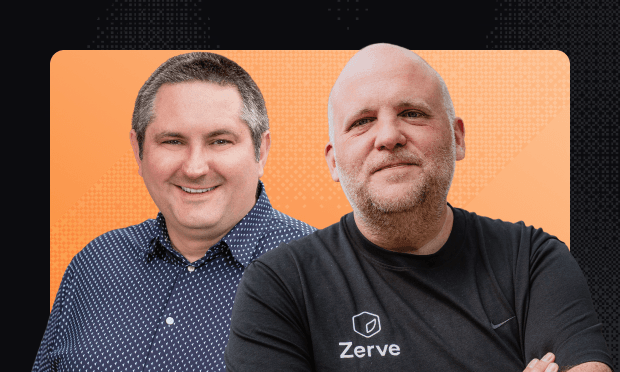
Greg Michaelson, Zerve’s Co-Founder and Chief Product Officer, will sit down with longtime friend and seasoned ML engineer Dennis Oleksyuk, co-founder and CTO of AirCon.ai. Together they'll dig into the real, unglamorous engineering behind agentic AI systems, far removed from demos, hype cycles, and toy examples.
0:10
Hey, hey, hey.
0:21
Hey, hey, hey.
1:00
I'm super pumped to be joined by my good friend Dennis Olexuk. Uh J Dennis and I
1:05
met back in the day when we were working at data robot together and we built some cool stuff and maybe we'll get into that
1:11
in the podcast. But I'm Greg Michaelelsson. I'm the co-founder and chief product officer at Zerve and uh
1:17
Dennis, why don't you introduce yourself a little bit? Yeah, my name is Dennis Alex. I'm a co-founder and CTO of Aircon. Uh this
1:25
company that develops AI agents for air freight industry. I definitely want to talk more about
1:30
that, but before we do, uh, give us a fun fact about yourself.
1:36
Oh my god. Uh, I don't know. The the funner the better. Come on.
1:43
Yeah. All my life is just a sequence of fun stuff that I do. I don't know. I, you know, you got caught me caught me
1:49
off guard, you know. You should tell them about growing up on the coldest place on Earth.
1:54
Yeah. So like uh uh I was born in Soviet Union and uh uh my parents at the time
1:59
lived in Arctic because uh you know uh that was a cool place to go work uh and
2:05
make money just like people right now going to Alaska to all feel pretty much the same story but uh uh somehow they
2:11
decided to make a child and raise me there. So I grew up in uh officially uh
2:18
one of the coldest place on earth where like there is permanent settlements with humans and kids and everything. There
2:23
are of course colder places in Arctic but uh no kids are allowed. I grew up in a place where kids allowed and you know
2:30
it would routinely go below minus 50 uh outside and that was the cut off where
2:35
we would not go to uh daycare you know before minus 50 uh we would walk a mile
2:42
outside to a daycare. Uh, what's up? That That's hilarious. I I uh the the
2:47
Russian people are a hard hard people. When I when I first joined Robot
2:54
Oh, yeah. When I first joined data on my on my first day in the office, I walked in
3:01
and uh our our head of HR was uh Russian
3:06
and she was sitting at her desk and she's sitting there going like this
3:12
and I I said, "Hey, what you doing? Is everything okay?" She says, "I'm practicing my American smile."
3:20
My my kids uh they're Americans. born in America, grew up in America, and they come up with a new term. Uh it's like,
3:27
"Dad, when you're focused and uh looking at the screen, you have a resting murderer face."
3:36
That's what I'm like when I drive. I get the same comment. People will be like, "Why are you mad?
3:42
Just focus. I'm trying not to die." And the reason, of course, the reason of course is that people are idiots. Uh so,
3:49
all right. Uh so, we're going to talk a bit about agentic. uh coding, the large language models, AI, production,
3:55
engineering, data science. Uh we can just kind of go wherever we want because I'm really curious about your your
4:01
journey and how you sort of got where you are and how did you decide to be an engineer and what are give us like the
4:06
50,000 foot view of how you arrived as the co-founder and CTO of a a very cool
4:12
startup in a very weird space. Uh it's a result of very random random
4:19
walk. Uh I never I never wanted to be a software engineer as a kid. Uh I love
4:24
computer. I love playing games. I love surfing internet doing all of that. Uh uh my parents saw that I was you know
4:31
mathematically and technology inclined and uh uh they spent a big fraction of
4:37
their income buying me a computer and giving me access to it. So I loved it but I never thought about uh you know
4:43
doing a career uh in a I always looked at the computer as a tool you know to do something else.
4:49
uh but uh uh I was good at math and physics and all of it and uh um and I
4:54
was interested in computers and my relatives friends of relatives somehow convinced me that I should go and get a
5:01
degree in uh applied math and computer science and that that's where I went you
5:06
know uh it turned out to be more applied math than computer science uh because it
5:12
was old Soviet style university uh that before Soviet Union collect s was uh
5:19
focused on developing uh stuff for military uh you know nuclear submarines, nukes, guidance system, all of that
5:26
jazz. Uh so they knew their math, they they knew their geometry, other things uh uh but uh you know not computer
5:33
science. uh but while there I met other folks who uh were into the tech and uh
5:39
who were actually hackers who uh you know dreamed about doing it uh from the childhood uh uh caught a bug from them
5:47
and uh start doing it myself uh you know founded a small business with couple of
5:52
friends you know worked in million places eventually end up in uh end up in
5:58
United States uh working for big enterprise and uh uh knowing I
6:04
whatsoever just uh telecom software uh for big telecom companies out there. Uh
6:11
and then I I just got bored out of uh out of my mind and uh started reading and going to meetups and uh while I was
6:19
living in Boston and uh went to one of the meetups and met a guy uh uh who was
6:24
a VP of engineering at B early stage startup uh and uh we start talking and I
6:30
was like yeah I'm working enterprise on this uh uh telecom software uh I have
6:35
background in math so I can understand what you do with all this ML at the time it was machine learning
6:41
uh even term of data science was not not around. Uh like you have to rename it every five years.
6:47
You have to rename. Yeah. It was that was time of machine learning like not AI, not AGI, not data science was ML.
6:54
And they were doing some cool novel machine learning algorithm. I was asking him like so um being just naive off the
7:01
board immigrant. I like how do I get involved? And he is like you know what send me your resume.
7:08
Uh let's talk. And uh uh I sent him my resume. They invited me for an interview
7:13
and uh it was a funny interview because uh uh you know I'm I'm good at math and
7:18
stuff but I'm not as good at the guys who were interviewing me. So they give me some problems to solve like in
7:24
optimization and related to machine learning which I had no idea I never studied that branch of mathematics. So
7:30
uh I keep asking questions to clarify and try to make efforts never finished the the big problem like spend five
7:36
hours in front of the board was absolutely convinced that I failed it. uh went home, wrote down everything I
7:42
could remember. They asked me with intention to go learn it, you know, being proper engineer. And next day, I
7:48
got a job offer. So, I called them up. I'm like, uh, you guys probably screwed
7:53
up. You sent one wrong one person. They're like, no, no, you you're the only guy who didn't give up and kept
7:59
going like the only guy who didn't give up. That could be the title of your memoir.
8:06
Yeah, that's the title. The only guy that didn't give up. Yeah. is like we have enough math guys
8:11
from you know Cornell Cornell MIT etc uh who can write algorithm we need to put
8:16
this stuff in production make it work in real world and uh we need real software engineers thanks god they thought I'm
8:23
real software engineer uh and uh who can understand the math we do and uh uh most
8:28
people we interview just give up too fast and you you went deep enough that we're sure you can figure it out so
8:35
that's how I joined the uh ML uh AI world you know and that startup
8:41
eventually get acquired by data robots so during that revolution uh but my path
8:46
to yeah revolution that's a funny word for it yeah that's uh I don't know uh civil war
8:53
whatever you call it uh you know that might be more accurate yeah but uh my past in AI was through my
9:01
engineering experience through my experience of building software and uh u building highly reliable systems so on
9:08
data robot. I eventually found my path in helping to put machine learning models in production. You know, work
9:14
with you on trying to build prototypes or proof of concept of solutions that
9:19
use machine learning and end up just end up leading the team that uh uh develop all the infrastructure uh for all data
9:26
robot customers to be able to take the model that they trained and put it in production. And through that, I I got
9:31
exposed a lot. Yeah. The the funnest thing we built was that that pitch predictor.
9:37
Pitch predictor the best. Like it's uh Yeah. I don't know if you want to tell more about that.
9:44
Well, we uh we realized that the Major League Baseball had a API that would
9:49
give you real-time stats on ball games that were going on. Yep. And so we uh we built a well we
9:56
Dennis built a uh an app that would go and predict what kind of pitch the
10:02
pitcher was going to throw live during a game. Uh which was awesome. Of course then we got shut down because of like
10:08
data licensing issues and stuff like that. But you know the side effect of what we did
10:14
was uh MLB forbids to wear smart watches now.
10:19
Oh really? No kidding. Like during the games the players can't during the games. Yeah. During the games
10:26
they cannot have smart watches because I think either somebody it got to somebody or somebody replicated what we done and
10:32
people start using it the better start using it because uh if the veter knows which pitch is coming it's it's a huge
10:39
you know percentage success growth. So uh so that's why I heard someone told me
10:45
at some point that you know MLB it and I was like you know what it's probably my fault. Uh you know
10:51
Yeah, we did talk to him and try and get him to use the get them to let us use the data, but they uh
10:56
they weren't. Maybe that was the result. They went and like you need to bend all the devices because people going to figure it out.
11:02
Well, I'm surprised that uh it wasn't so much in gameplay as in like prop betting.
11:07
Uh you know that big old What was that big was it was it basketball where there was the big scandal about uh players
11:13
doing making prop bets and and betting against uh like their own stats or
11:18
something? I got way too much schooling and statistics to do any batting things.
11:25
Oh, yeah. No, no, no. I don't participate. I just think it's out of me all of that. So, I don't even look at it. I don't even know how it
11:31
works. Yeah. Awesome. Now, you're also an amateur biochemist. Yeah,
11:36
I did. So, Mike, again, I got really bored at some point with the corporate worldbaker.
11:43
Uh, baker. Yes. I got really bored with corporate world and while living in New York City, New Jersey by by New York
11:50
City uh uh I stumbled on a lady who was uh used to be a head of like lab at the
11:58
big pharmaceutical companies and then uh got uh uh cut off but had some like
12:04
large severance package. So she she couldn't work anywhere so but she was
12:09
too too bored of her mind and ridiculously good by molecular biologist. So she started these courses
12:16
for people like me who just want to learn about what is actually going on in real molecular biology, real you know uh
12:23
pharmaceutical field, not something you read from textbooks and uh I got hooked on it and then attended her like she
12:30
built a small lab found someone who donated her workspace in Brooklyn and you know did did bunch of stuff there.
12:37
uh uh you know learn how to do a lot of techniques, molecular biology techniques, how to work in a lab like till this day I can walk in a real lab
12:44
and like uh Harvard and pretend I work there and they will not be able to distinguish me from their posts like I
12:53
can probably teach a lot of them how to hold piped correctly and to do do a lot of things. Uh yeah but that's it's just
13:00
my brain uh is like that I need to constantly learn something new. I need to uh understand the world like I'm I'm
13:08
always curious about how things work and uh at the time the understanding how the body works, how the biology works or
13:14
like bizarrely interested. I'm still interested but uh uh these days AI is
13:20
way more uh occupies way more space in my brain, you know, like it's so much
13:25
information every day. I just don't have many brain cell left to follow and do
13:31
anything in in that molecular biology field. Yeah. Yeah. That that sounds right. Do you
13:36
find one of the things that I've been thinking for a while is that people are uh losing the ability or the the will or
13:44
the desire to like learn the nuts and bolts of stuff and like you know you
13:50
hear all the time about uh you know how AI is going to destroy the world and stuff like that. I think it's doing it
13:55
from like the inside out like the inside of people out because you don't have to know anything anymore. You can just ask
14:01
for it. So I don't know. Well, I mean, I cannot generalize for other people. Uh, but for
14:07
myself, I found that that I'm going even more hardcore now with AI because, uh,
14:13
before AI, if I wanted to look into something, I would, uh, Google something, start reading and then I
14:19
realize that I'm reading some technical book that was written for people who took another five classes in the same
14:25
subject and I cannot understand half of the world in it, words in it. So I just accept the fact that I never understand
14:31
this particular topic where now with AI I can just torture it with recursive
14:36
questions. It's like uh I can go and say like explain me this, explain me this, explain me this, explain me this and now
14:42
roll up reexlain me everything and I can just go hardcore because uh uh it gives
14:47
you instant access to the information. So where in the past yeah you can Google it up but if you look at any technical
14:53
terms like I don't know recently on the weekend I went on a uh rabbit hole uh trying to understand how the modern GPUs
15:01
are built and how they package in the servers and how like uh how they paralyze all of this uh because one GPU
15:08
cannot handle the entire model. I could go as deep as I want, you know, wi with
15:13
the LLM like I just keep asking and it keeps googling stuff and keep bringing me up and, you know, uh, summarizing,
15:20
abstracting, etc. So, I find myself reading way more, learning way more, understanding way more stuff than I did
15:26
before LLMs were out, you know. Yeah. Now, uh, Aircon AI, uh, tell tell us a
15:34
bit about like what you guys do and I'm particularly interested in how you're using, uh, agentic coding and AI in
15:41
your, uh, in your business. Yes. Yeah, I can talk. Absolutely. I mean,
15:47
maybe somebody's going to buy our product from this podcast somehow. Uh, so uh, yeah. So, to understand what we
15:53
do, you need to understand a bit about industry. Uh so uh there is a freight industry that's uh invisible behind
16:00
everything. Uh but anything that manufactures is being manufactured anywhere in the world or any kind of
16:06
company that does any kind of service uh ships freight like because it's just way
16:11
too expensive to ship stuff by UPS or FedEx uh once you get beyond particular size. What do you do? You end up putting
16:18
stuff on a pallet and then uh shipping it by uh as a freight. And uh when you
16:24
ship stuff by freight uh it's a little bit more involved because the human cannot pick up the palace. So uh the
16:31
that pallet is on warehouse and the truck has to come to the warehouse and the forklift has to put it on the truck
16:37
and then it goes to the next warehouse and it's you're stitching together this path of shipment being forwarded from
16:44
one location to another. And then if you go international, somebody needs to drive it to the airline warehouse.
16:50
airline needs to put in on a bigger pallet, put it on a plane, unload, unpack it, you know, put it. So there is
16:56
this chain of like 12, 14, 15 uh uh stops for for the shipment uh uh from
17:03
point to point. Uh and uh uh to make it cheaper, it's not being handled by a
17:09
single providers like UPS, FedEx, etc. Uh each chain is uh uh handled by a
17:14
specialized business that specializes at that particular step. For example, uh wherever you are in whatever area of
17:21
United States you are, there are local pickup and delivery trucking companies and all they do is they get a bunch of
17:27
orders to go pick up pallet there, pallet here, drop off pallet in some place. So they just drive around like
17:33
Uber uh eats uh uh with pallets, you know, and that's all they do all day long. And then there are companies who
17:39
are specializing at uh line hauling it from a CDA to CDB. It's like a bus going
17:45
back and forth like uh the connection line. No, no, no, no. Uh so as a
17:50
business you uh that wants to ship freight uh it's too you just don't want
17:56
to deal with all of these steps and stitch it all together. So uh there is a the whole class of companies that arose
18:02
decades ago called freight forwarders uh that literally specialize in forwarding
18:07
your freight. They stitching together these routes and uh either for ocean or
18:12
purely for track trucking or for air freight and they know they find the right subcontractors and they
18:21
quote book with them track you know they take care of all the paperwork if you go international etc. So uh it's invisible
18:29
business but it's a uh to most people because it's two layers removed like you have manufacturing you have logistic and
18:35
these guys are under logistic but uh it's a huge part of logistics. It's non-trivial amount of money that you pay
18:42
for everything you buy is actually paid to these freight forwarder guys who coordinate the you know the logistic
18:48
chains globally. Um gotcha. And logistic chains are very uh
18:53
medium specific. There are people who specialize in trains. There are people who specialize in ocean. There are people who specialize in air freight. Uh
19:00
because just each mode of transportation bring its unique things like air freight. The biggest thing unique about
19:06
it that uh uh freight flies on passenger aircrafts. Most airf freight is actually flies on passenger aircrafts. Air
19:13
freight freight planes are used if stuff cannot go in passenger aircrafts because
19:19
it's too big or too dangerous or you just have too much stuff you want to ship at once. Like when Apple ships
19:25
their iPhones, they uh they usually time it to go exactly in United States particular time. So they ship everything
19:32
at once, then they uh take freight airplanes because they just need so much capacity. But other than that, majority
19:37
of it flies on passenger aircrafts, which puts a lot of restrictions and a lot of procedures because just like you
19:43
go through TSA, uh with your stuff, the freight that goes on a passenger aircraft all the way from manufacturer
19:50
to the plane has to go through custody chain. like the people who touch it have to have particular certification, follow
19:56
particular procedures etc. So the freight forwarder who specializes in air freight needs to know all of that that
20:02
so uh they don't go to jail or you know they don't cause trouble for the for the shipper to go to jail or get fees or get
20:09
in trouble with TSA. So that's a that's an industry and I had to describe it
20:16
because otherwise what we do would make no sense. But what we do we do AI agent that help to perform that work like it's
20:23
uh I mean when I say help perform some of those uh roles completely independently for example right now we
20:29
have a coding agent in production uh that uh whenever the uh freight forwarder gets email uh the coding agent
20:37
reads the email extracts all the information that is needed uh uh builds the routes uh the for that origin
20:44
destination shipment size whatever properties are finds the airlines they can fit it trucking companies that can
20:50
serve it etc. builds it out at the margins, forms the nice quote and sends it back to the customer. Uh you know, so
20:58
uh and which actually uh for a freight forer is more than half of their time
21:03
spent on these quotes because there's because once you have a quote actually stitching it together, you already did
21:10
the most of the work pre-planning and uh uh preconfiguring the route. If somebody
21:15
comes back and say, "Book it." You just send emails to those guys or go to their websites and said, "I need to book
21:20
trucking. I need to book this. I need to book that." So, but the second agent we're doing is the booking agent is the
21:26
agent that's going to do that work. Go book everything once the quote is built and customer. So, your your agent is requesting quotes
21:33
from all these different people along the way. Yep. Yep. Yep. By email or through their website or does it actually mostly
21:40
through API? We're trying to stay away from emails. We're going to probably end up doing it because uh it's just no no
21:46
way out of it. Uh but we trying to stay away from emails because it's way too slow. Uh and the reason why it's way too
21:53
slow because of uh this is international shipments and half of your path is abroad and because of time difference uh
22:00
if they if the code came after mid noon uh it's already evening there. So nobody
22:07
going to reply until morning time. So you you're going to get natural 12-hour delay or 16 hour delay just from that.
22:14
So we're trying to avoid uh using emails but uh uh there are there are shipments
22:20
that cannot avoid using emails because the API is not flexible enough in humans to make decisions. So but for now we
22:26
different API for every is a different API for every uh every vendor.
22:31
Yeah, it's a it's API. You're just saying like you're like uh my package is
22:37
4 feet by 3 feet by 2 feet and weighs 600 lb kind of thing and they send you a quote. Yes. Uh uh pretty much. But uh uh you
22:47
need to know who you can send this quote or not because a lot of them will happily quote stuff they cannot handle.
22:52
Like uh a great example are airlines because it flies in the bellies of a passenger aircraft. different size
22:59
passenger aircrafts have different size of the door uh for the freight. Uh so uh
23:06
therefore if the freight that cannot fit in the particular aircraft for particular airline uh that connects to
23:12
cities uh you cannot tender it to that airline but airlines will happily give you quote for that origin destination.
23:18
Uh so because their quotes are usually kilob based like like hey here's how much per kilo and go knock yourself out.
23:25
So you have to have more intelligence, more domain knowledge about hey we need to consider what airplanes this airline
23:31
are flying between these two points. if they have airplanes, they can actually fit my and if they do, then we code with
23:36
them. If not, we don't code with them. And that's, you know, a lot of and that's where domain knowledge, domain
23:42
expertise comes in play because uh uh if you just try to do dumb coding, you're
23:47
going to end up with a code very quickly, but you're going to lose a lot of money because uh uh the airlines that
23:54
uh gives you the code, the cheapest airline very often does not have flights between large flights between those.
24:01
They give cheap float codes because they have very small uh door size on a small
24:06
planes and nobody uses them. So they just lower the price just in case they can get something. Uh but if you the
24:13
customer come back and book with you, uh you'll try to book with the airline, you find out that oh I can't. You go
24:19
to the next airline and next airline is twice more expensive. Now you lost all your pens, you know? So you you're out
24:24
of business. So yeah. Right. So what are the error modes for your agent? like if the agent does
24:30
something wrong what are what happens what is it doing wrong um so it's interesting so we found out
24:37
that uh it doesn't do many mistakes like it doesn't do mistake it just cannot do
24:44
stuff so like we very quickly we started because I came from ML background etc we
24:50
started with this uh uh preconcept the preconcept that we need to build a test
24:56
data set and validate it and make sure it's accurate. It extracts the data and
25:01
then very quickly we find out that uh uh after like last August uh whenever the
25:08
major not this August but 2004 uh 2024 August most of frontier models became
25:14
pretty much perfect at extracting data like uh as long as you uh correctly you
25:20
know uh build your prompts and you you do some other tricks uh once you figured
25:26
out the recipe you there's no problem with it doesn't make errors. It just does not make errors. Uh what what you
25:34
find very quickly is that any business process has infinite number of corner cases and uh you know and uh uh like the
25:43
way the humans deal with corner cases. We have this kind of a model of the
25:48
world in our head. Uh we know why why some things are done because of laws of
25:54
like what I described you with the airplane with the door sizes etc. So, so we can think from the first principle
26:00
you know if we got we experience some corner case given all these knowledge we have about the world and all the
26:06
constraints we can run different scenarios in our head and find the solution out of the corner case machine
26:12
LLMs are not capable of that they like there are some toy scenarios where they
26:18
do but in business scenario where you need high reliability high repeatability they're not capable of thinking from the
26:24
first principle you cannot just give them the description of the world and know the rules and the problem and ask
26:30
it to solve. It's uh uh it's just not going to do it like uh it will guess
26:35
some of the solution because it saw some stuff on internet about your particular problem but uh if your particular
26:41
problem is not described on the internet it's it's not going to solve it. It's has no ability to think from first
26:47
principle. So when you build AI agents, you need to be able to detect all the corner cases and either have recipes for
26:56
them or uh have an ability to tell uh LLM to tell you that it's one of those corner cases and then tell the customer
27:03
we're not supporting it or just ignore the email and don't do anything. So the the big problem or
27:09
Yeah, I would think that because uh your industry is not well known that
27:15
there's not much content out there in the data that was train used to train these large language models and so they
27:21
would struggle in particular with your problem because they never they've never seen anything like it before. They struggle horribly like uh it's a it's
27:29
it's genius child that uh has the IQ of Einstein but have absolutely no concept
27:36
of how the world works and uh before you give it any task you need to explain how this particular part of the world works.
27:42
Yeah, it's a lot of work goes into that. So, and it shows the limitation of these models, you know, that uh
27:48
on the contrary, if you if you ask a a large language model about a Kaggle data
27:53
set like Titanic, it could tell you it could probably tell you, you know, everything because so much stuff has been dumped out on the internet. That's
27:59
one of the interesting things about like demos of uh of these large language models is they ask them questions about
28:05
something that is so written so much about online that that you know they it couldn't possibly get it wrong if it
28:11
tried. But you've got this kind of weird uh weird corner case industry that where you're trying to do this. So
28:17
yeah, it's not weird corner case industry. Every industry is like that. So every industry has million corner
28:24
cases that are not written in the internet. It's uh uh the problem is uh people don't understand it because they
28:32
it's it's armchair you know uh professionals. Everybody's armchair professionals. And even if you go uh to
28:38
McDonald's and spend there a day, you'll discover that there are thousand things
28:44
that people in McDonald's do that's absolutely nonobvious to you and uh learn from experience and nuances and
28:51
optimization and which are not described anywhere in the world on any you know blog post or you know Reddit post or
28:58
etc. there's nothing there and it's true anything car wash anything and then when you go to more complex industry like
29:05
healthcare in manufacturing etc uh the amount of hidden information that nobody
29:10
knows nobody understands outside of the industry is enormous like uh yeah yeah
29:15
yeah so like I don't think that AI agent that purely trained on internet are
29:20
capable of working in any business environment like period like I cannot think of single business where I could
29:28
the internet will have enough information for the agent interpret it. H
29:33
what uh how autonomous is your agent? Do you just set it and forget it or do you got to constantly look at everything it
29:39
does? I mean we could constantly look at everything it does but because we paranoid uh that it's going to screw it
29:44
up. Uh but uh from a customer perspective it's fully autonomous. is just goes like all they see they see
29:51
mails come in the AI agent replying and then if needed AI agent will loop in the human and say hey this is it I'm I ran
29:58
to into one of these corner cases please help your customer you know we are we are not going to continue
30:04
so somebody in uh in Indonesia says look I need to ship uh a pallet of baby
30:09
bottles to Sacramento then they go to your website and they type that in the agent and the agent
30:15
says they don't go to the website they email to their freight forwarder uh who who's
30:22
our customer and instead of human answering they get a reply from automated assistant. They say, "Hey, I'm
30:27
an estimated assistant. I understood your quote. Here's the quote." Uh, you know, then that's it. And then, uh, they
30:34
say, "Great, book it." And then it says, "Sure, booked it with airline. You can drop it at this location. Here's the
30:40
invoice." And then, uh, the freight forerter here in US wakes up and they already got money. Uh, you know, they
30:46
already made money out of it. It's already made money for them. Wow. That's remarkable. That is super
30:53
remarkable. What percentage of uh quotes requests that a freight forwarder gets
31:00
would your product handle? It depends on a freight forwarder, but like I would say average is 80% of air
31:06
freight quotes we can handle. Like Yeah. Wow. That's remarkable. That's
31:11
Yeah, it's uh it depends. There are some that's is much higher percentage. It's almost 100 because uh uh air freight
31:18
there are crazy stuff people ship on air freight you know like uh uh radiative materials you know food dead bodies etc.
31:26
So like and all of that comes with uh restriction, legal requirements etc. And
31:32
those are corner cases that we decided not to go after uh because there's small percentage and that won't tail ends up
31:39
but we slowly crawling into it. We crawl and filling up and that's our moat uh
31:44
because you know whoever comes next needs to implement all these corner cases business handle all these business
31:51
rules and legalities and etc to to even start to compete with us.
31:57
So your your main job now is to get that 80 up to 85 or 90 or is it to improve
32:03
the quotes or what where's the where's the horizon like the front? Yeah. So the horizon the biggest horizon
32:09
is uh uh get more services support like yeah to get it to 90 and uh and for some
32:14
to get from 50 to 80 because some customers specialize in very niche products. So for them what is 5% for
32:23
everybody else is 40% for them. So yeah, so we uh and uh that's a big part of it.
32:29
Uh another part that we discovered while doing this is that uh
32:36
um there are additional services that freight for not additional
32:42
services how to rephrase it without explaining again bunch of air freight specific stuff. uh uh because it's all
32:50
was made by humans uh before uh the freight forer would limit their scope of
32:55
what they doing and they will say here's I'm stopping here that's it I'm not dealing with this I'm not dealing with that etc but now because the machine can
33:02
handle it the scope is growing so the scope of additional services that they can provide because it's not just air
33:08
freight it's also customs you know clearance it's also dealing with embargo lists it's also you know bunch of other
33:15
thing that freight forers usually didn't deal they like I'm going to outsource it to someone else uh and like go I'm going
33:22
to do this these guys going to do that but now because we're building this agent that can do 100 things in sequence
33:28
without human being involved in in couple of minutes then why not add more services and provide a more packaged
33:34
solution to their customers. So so the part of big part of it is it causes the consolidation of services and uh
33:42
allowing them orchestrate more stuff. Uh so uh yeah.
33:47
Yeah. Can can you talk a bit about how your agent like what the uh the workflow for the agent looks like like nuts and
33:53
bolts inside the thing? What is it? I don't no secret sauce obviously but I'd love to know kind of
33:59
kind of how everything fits together there because everybody's building them these days and I'm sure folks would be
34:04
Yeah. I'm not going to go in too many nuts and balls because agent a lot of stuff with
34:10
agent is trial and error. Like literally it's not science. It's not even engineering. Uh it's craft. You know,
34:17
you take different hammers, different nails, and you try and unlock, oh shoot, this nail with this hammer works the best. And then uh uh and that's where
34:26
90% of time is spent is trying in different hand nails with different hammers. And uh recipes that you will
34:32
end up at the end that works are much simpler. I can tell you that 99% of
34:37
stuff that you'll find on internet like uh these days if I see someone saying I'm using aentic framework I know
34:44
they're not in production like that's just an indication to like like if somebody said I use aentic framework
34:50
blah you know I pick your favorite one I'm pretty much can bet money it's not
34:55
in production uh because I know that a gentic frameworks are way too complex and and inflexible
35:02
uh uh for what actually works like uh what is the favorite one the
35:08
graph um give me a second gen tick um recently
35:16
uh played with that uh langraph langraph uh you know uh stuff like that so uh and
35:23
then they have another one lengchain langraph the two two open source projects very interwined together uh uh
35:31
that one like if I hear someone saying that's what they use it I know for the fact they're not using it in production.
35:37
Like it just and the reason for that is uh it's way uh too bloated and too
35:43
complex because what happened is people were figuring out all these nails and hammers and they just keep adding them
35:49
to the framework. uh remember the uh early days of uh machine learning uh uh
35:55
like you you would have these uh machine learning frameworks with million methods but in production you knew only three
36:02
worked and everything else was bloat and that's literally what happens with these frameworks people try different things
36:08
and uh uh it's open source product so they just pile them in you know in there but at the end you're using three but
36:15
all that uh type debt that they put in makes these frameworks very hard to use you need to learn special terminology,
36:22
special language and they all very buggy and raw because it's just uh you know
36:28
it's optimized for time of you know to production uh not for quality and uptime. So, so you pretty much uh better
36:36
off writing most of the stuff from scratch just taking the raw uh LLM API and orchestrating it on your own like uh
36:43
in production you know that's because the number of changes that you end up doing to it like how you going to
36:49
rearchitect how you going to update is going to be ridiculous. You you're going to be rewriting the whole thing every
36:55
week. Uh and if you are constrained by a framework you're just going to be struggling. you're just going to be
37:00
learning how to come how to take your new idea and how to torture some pre-existing structure into to doing it.
37:07
So yeah, that that's where presumably that will change at some point. It will it will it will uh and uh but
37:15
the problem right now that the LLMs themselves are not very stable. So meaning they the the every three six
37:24
months uh these frontier labs release new functionality uh that completely or
37:29
partially change how you interact with machine learning models and uh you end up like give my favorite example rags
37:37
right before everybody was running around with their own rag frameworks and rag tools and leg rivalies and now every
37:44
LLM has its own built-in rag uh so uh so and if you were using the tool that uh
37:51
was that's an example of a bloat of the tools. If you were using a tool that had its own rag tool ability to attach your
37:58
rag to existing LLM, all that stuff is irrelevant. All that APIs and libraries
38:04
and deploy it's all not not going to be usable to you uh because you can just uh
38:10
push all the data through API to the frontier lab API and just use it there, you know. So
38:17
yeah. So I'm going to switch gears a little bit and talk about the team. Uh because I we get, you know, I see questions on
38:24
LinkedIn. I see conversations happening all the time about, you know, should I be a a programmer? Should I, you know,
38:31
who who are the most valuable people on your engineering team and what makes them the the key people and why?
38:39
So uh only programmers can do AI agents. like if you're not programmers uh you
38:45
know I know it's sounds rough but there is no hope for you like there is no
38:51
chance uh maybe in couple of years when the whole thing stabilize and the
38:57
tooling will become better etc uh you know but if you want to create a
39:03
production grade AI agent uh you need to be a programmer because it's just another piece of software where instead
39:10
of using uh third party libraries or uh uh writing a code you invoke in LLM. So
39:17
LLM is just another way to write code and to do particular operations that before could you couldn't do manually by
39:24
hand. So there was no library. Uh so it's it's all coding. It's all so and uh
39:29
uh it's you automating a business process and you you implementing it in code. So the same thing we've been doing
39:36
for decades here. We just get this very powerful tool that can take a human language, unstructured human language
39:42
and turn it into structural data or it can take bunch of rules and inputs and make decisions uh without you uh listing
39:51
up all possible permutations you know stuff pretty much. Those are two use cases uh in a business car and it can uh
39:58
it can generate answer for humans. It can generate human friendly you know answers, replies, questions etc. So uh
40:05
but and it's it's still software. It's still uh end software. So yeah uh we
40:10
seen this with prompt engineers. There was you know uh for a year maybe everybody were running around with hair
40:16
on fires looking for prom engineers and I challenge you find a single job
40:22
posting today you know. So uh well people have gotten crazy about writing prompts. I mean, when we when we
40:29
interview our users that are using Zor's agent, uh, people will spend an hour
40:36
writing like a two or three page prompt to feed to our agent and, you know,
40:41
somebody else will write two sentences and get the same results, same output. So, I think a lot of lot has been made
40:47
over like what's what's the right prompt and uh, you know, how to use it. What do what do you guys think about that?
40:54
Yeah. So and uh there are people who have great intuition about writing pros
40:59
but there is actually logic behind it. There is a lot of logic behind it and again that's somebody who has
41:04
engineering background it's much easier for them reason in about that logic than for someone who does. So um and I would
41:13
say it's less about the prompts and more about uh uh the information that you uh
41:19
attaching prompts to because prompts are it's a system prompt. It's an instruction but usually you give some uh
41:25
you know user data and in the prompt and uh the what type of user data you give
41:31
and what problem you're trying to solve has more to do with the prompt and uh uh specifically how many concept you trying
41:40
to use at once how many things LLM has to keep in mind at once to do your work
41:46
how much information it needs to keep in mind because LLMs the like my opinion
41:51
Their biggest problem right now is their uh uh memory, their like RAM of uh
41:57
things. They they have this bottleneck through which all your information comes in. So everything gets into the LLM and
42:03
the neural network and it gets squeezed into the bottleneck. And if the useful information that you need on the other
42:09
end cannot squeeze through this bottleneck, there's no prompt in the world that can help you like uh
42:16
andations and yeah, you you you get it. Hallucination not so much lately. You just lose
42:22
information. It just just forgets stuff and it gives you just very generic answer uh and forgets all the details,
42:28
you know. So, uh and that's Yeah. And uh so writing long prompts and long prompts
42:34
just make it worse because uh when you write a long prompts, you give it more information that might be not relevant
42:41
and it's not guaranteed that it's going to understand that it's not relevant and it's not going to sacrifice the useful information for just understanding your
42:48
problem. And that's what I would my guess in those cases where one sentence prompt work better than a page is
42:54
because there was such an information loss caused by this slop that you added on top, you know. So,
43:00
uh, now the context window is pretty big for these models though, right?
43:06
Yeah. So, context window is a misnomer. It's a it's a marketing uh term. It's
43:13
okay. Context window is just a rag. Uh that's all it is. It's uh like they just moved
43:20
rag into the context window. Yeah. When you load like a million uh tokens in the
43:26
context window, uh it's not using million tokens uh for reasoning or for
43:31
processing. It's uh it distills it in a much smaller bottleneck uh and uh uh and
43:38
then process it. So and it does two two things with that. It either generalizes all your million lines of to million
43:45
tokens or it picks pieces and uses the pieces. So, and if your problem fits
43:52
into that use case where you it's useful to just generalize or it's useful to pick a small subset, it works. But if
43:58
you actually need to think through all of that, uh good luck, you know. So, and
44:05
uh Frontier Labs doing advantages there. But uh by just uh uh doing this uh uh
44:10
what they call it inference time uh uh thinking uh so where they just they run
44:18
AI agent behind the scene. Literally what they do they build this generic AI agent that detects different types of
44:24
problems and different contexts and uh it takes the and it splits it into smaller pieces and just peace meal
44:30
through them. Uh uh and they're getting better because I guess there's finite number of types of problems that people
44:36
deal. So eventually it's going to get better. Uh but you need to be aware of it and when you code it against it you
44:42
need to know what's happening and when you see a failure you need to be able to infer what why that failure happens so
44:48
you can back trace and try to feed it in a better way uh that can produce better result and that's where you know the
44:54
engineering brain comes uh comes to mind. If you don't have an engineering experience, uh it's very hard to think
45:02
that way. You know, it's very hard to reason that way and uh uh you you might can train per person to do that, but
45:09
somebody who has engineering architecture experience, it's just a natural way to to think that way and
45:15
reason that way. So you because you you debug it. You you literally debug it and
45:20
go back and do it again and go back and do it again, right? Uh, have you run into uh any
45:27
fine-tuning tasks? A lot of people talk about fine-tuning these large language models. I've never actually seen anybody
45:32
doing them doing that in order to get better results. So, uh, you guys play in that space. Are you
45:38
using kind of closed source models or Yeah. Yeah. I'm use So, um, uh,
45:43
fine-tuning is the same you're it's the same as the machine learning. uh so and
45:49
the biggest problem here collect the good training data set uh for fine-tuning like uh you you need a good
45:56
good representative training data set uh and it and and it's trade-off so uh uh
46:03
you it's a chicken and neck you you need to first run enough of use cases through your system to collect big enough
46:11
training data set so you can fine-tune so and by the time you do that uh you
46:17
achieve achieve such a high quality with prompt engineering and uh with you know sequencing the call by yourself uh that
46:25
uh the value that the fine tune can get can gives you diminishes and that's my guess why a lot of people don't do
46:30
finetuning because that they can just they they manually train it remember like in machine learning if uh you run
46:39
uh enough training cycles and you don't keep the uh uh what the hold out data
46:45
set secret uh you were over overfit it and it it will work. So the same here,
46:51
you can overfit LLM by just doing prompt engineering, you know. Uh
46:57
yeah. Yeah. Well, this has been really fun and super interesting. I love learning about this
47:02
uh this whole kind of behind thes scenes world of of of shipping and stuff. I guess I don't do a lot of freight shipping or
47:09
anything like that. Obviously, unless you going Yeah. in every, you know, on every
47:14
flight that I've ever been on there, we're also shipping stuff and there's like a whole whole industry and hundreds
47:21
of businesses that are about orchestrating that that whole thing. Thousands. That's wild.
47:26
Yeah. All right. Well, uh let's wrap it up with some uh some kind of a fun little rapid fire. I've got three or four
47:31
questions to ask. What is the worst bug you've ever been called uh into a meeting to solve at 2 o'clock in the
47:38
morning? Uh so uh when I worked back in my talc
47:43
time uh we had this term GOPB uh get on a plane B uh and uh you get emails uh
47:52
subject line GOPB and I got email GOPB London. Uh so and uh I literally packed
47:59
and went to London because of my bug. So I landed in London airport. uh got a
48:05
call that they already fixed it and they already have tickets to go back and turned around, sat on a plane and went
48:11
back to New Jersey. Uh so I officially been to UK, but I never walked out of
48:16
the airport and uh uh and it was before internet on the flight. So all the way
48:22
there uh all I could think of is like what caused the bug? I debugged it in my
48:27
head and I debugged it correctly, but I was ridiculously stressed. So, uh that was the worst bug that that uh that
48:34
taught me to write a lot of unit and integration tests. Huh. You uh you could have at least
48:41
gotten a meat pie or something. It was literally I got off the plane, I opened my phone, connected to the Roman,
48:47
and I got text message fix and your return flight is like hour 20 minutes. So, like
48:55
Wow. All right. Well, that's cool. I guess you rack up some frequent flyer mileers that way. All right. What is one
49:00
uh what is one machine learning or engineering myth that you wish people would stop uh propagating
49:07
machine learning or software engineering myth that uh yeah my pet peeve is
49:13
microservices don't do microser about that ju just don't do it just
49:19
don't do it the microservices if uh unless somebody fooly screams at you
49:25
that you need to do it uh and shows the valid uh business reasons for Yeah,
49:31
it's one of the thing that's super useful in the right context, but a lot of people uh just use it because they
49:38
read that it's super cool and they want to use something cool and they end up shooting themselves in a foot and
49:43
wrecking their engineering team and their business with unnecessary cost.
49:48
Huh. All right, last question. What is your go-to decompression activity?
49:54
hobby, sports, uh, watching, no, watching, uh, dumb 90s movies and
50:01
shows like Terminator and, uh, like Big Ben Theory and stuff
50:06
like that, you know. Yeah. Big Bang Theory. It's a great show. Yeah. Or reading reading crazy stuff
50:13
about how chips work or how, you know, what's new about cancer treatment. Yeah. You're always learning something.
50:19
Yeah. Something. or what is the latest SpaceX rocket going somewhere doing something? Yes.
50:27
Awesome. Well, Dennis, hey, thanks for sitting with me for the hour and and uh and chatting. This was a really good
50:32
time and I learned a lot. Yeah. Uh good luck with with your new
50:38
podcast career. Oh, yeah. Yeah. Yeah. Yeah. Always
50:44
always uh always marketing.