)
Best AI Tools for Time Series Analysis in 2026
TL;DR
Research & Iteration: Zerve leads with a stateful, DAG-based architecture that allows Python and R to run in the same environment, perfect for compounding research. High-Frequency Finance: Kdb+/q remains the gold standard for microsecond-resolution tick data. Automated Forecasting: Prophet (by Meta) and TimeGPT (Foundation Model) provide reliable results for business metrics without needing deep ML expertise. Deep Learning & Stats: Darts offers a unified API for model comparison, while statsmodels provides the high statistical rigor required for serious diagnostic work. Infrastructure & Viz: InfluxDB and Grafana handle the storage and monitoring of high-frequency IoT data, while Tableau excels at temporal storytelling for stakeholders
Introduction
Time series analysis appears in more domains than almost any other analytical task: financial forecasting, demand planning, anomaly detection, IoT monitoring, scientific research. The tools that handle it well share a common trait: they were designed around the specific structures and operations that time series data requires.
Research Environments
Zerve
Time series research is iterative by nature. You build a model, check the residuals, adjust the specification, re-run. The work compounds as you learn what the data is doing. Zerve's architecture was built for exactly that kind of iterative, stateful workflow.
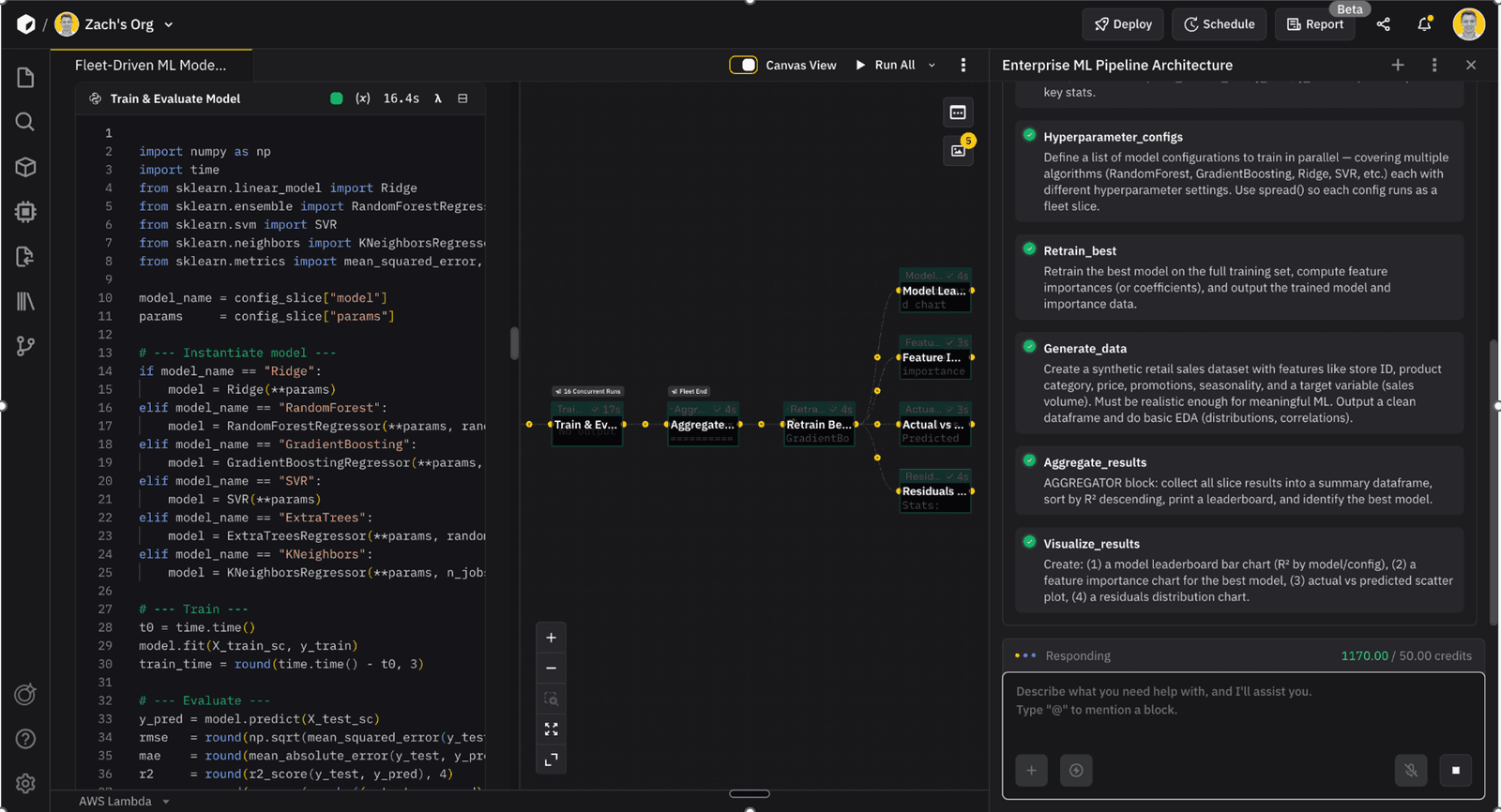
Python and R run in the same environment. DAG-based notebooks cache intermediate results so iterating on one component does not require re-running the full pipeline.
Institutional knowledge means the second time series project your team tackles is faster than the first, and the hundredth is faster still. See how data scientists use Zerve .
Specialized Time Series Databases
Kdb+/q
Kdb+/q is the standard for high-frequency financial time series. Microsecond-resolution tick data, fast columnar operations, and the q language designed specifically for time series queries. Nothing matches it at the extreme end of performance requirements.
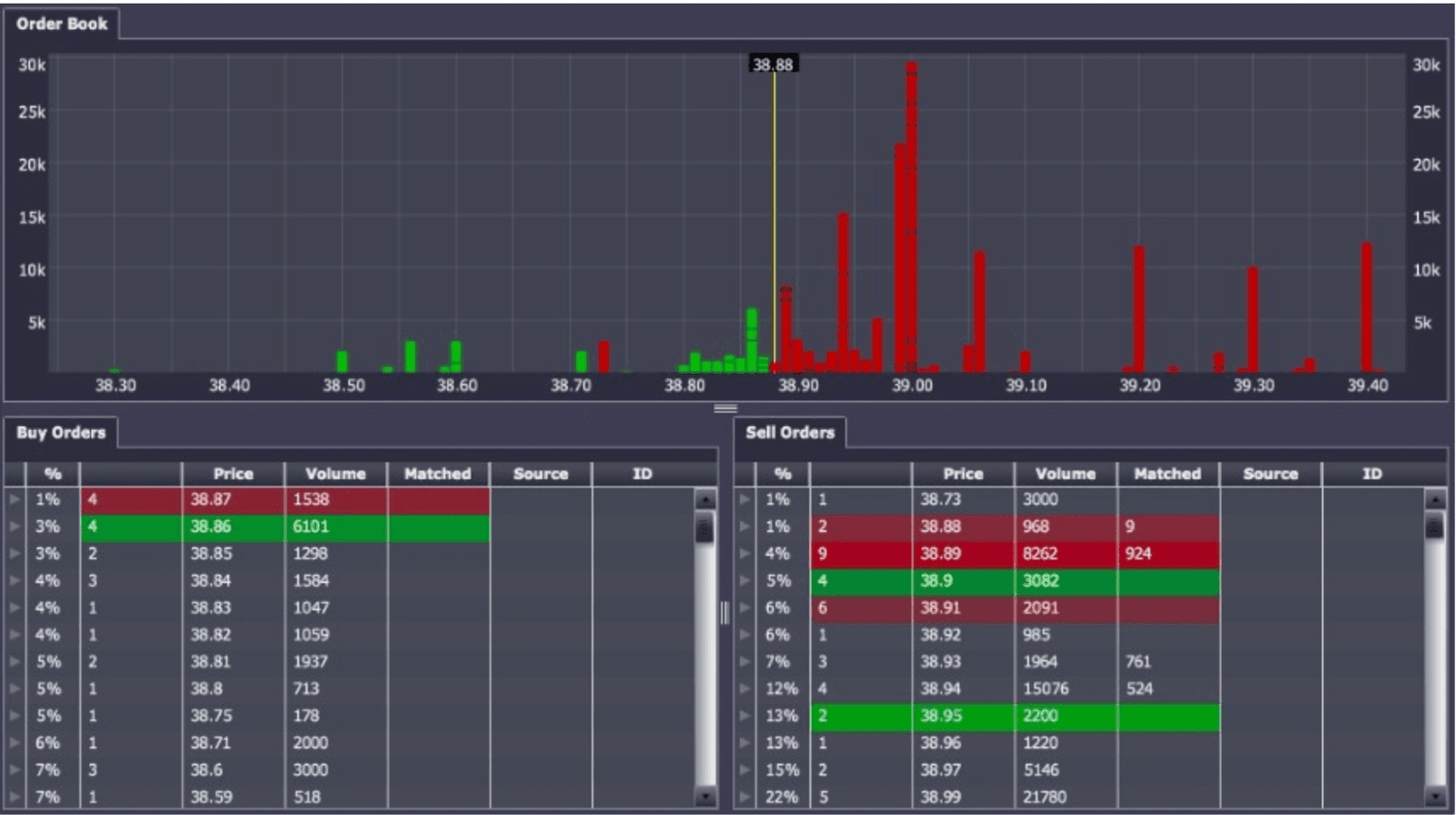
The barrier to entry is real. The q language has a steep learning curve and a small developer pool. Enterprise licensing.
Python Forecasting Libraries
Prophet
Facebook's Prophet library handles business forecasting with automatic seasonality detection and holiday effects. Designed for non-expert users who need reliable forecasts on business metrics: revenue, demand, traffic.
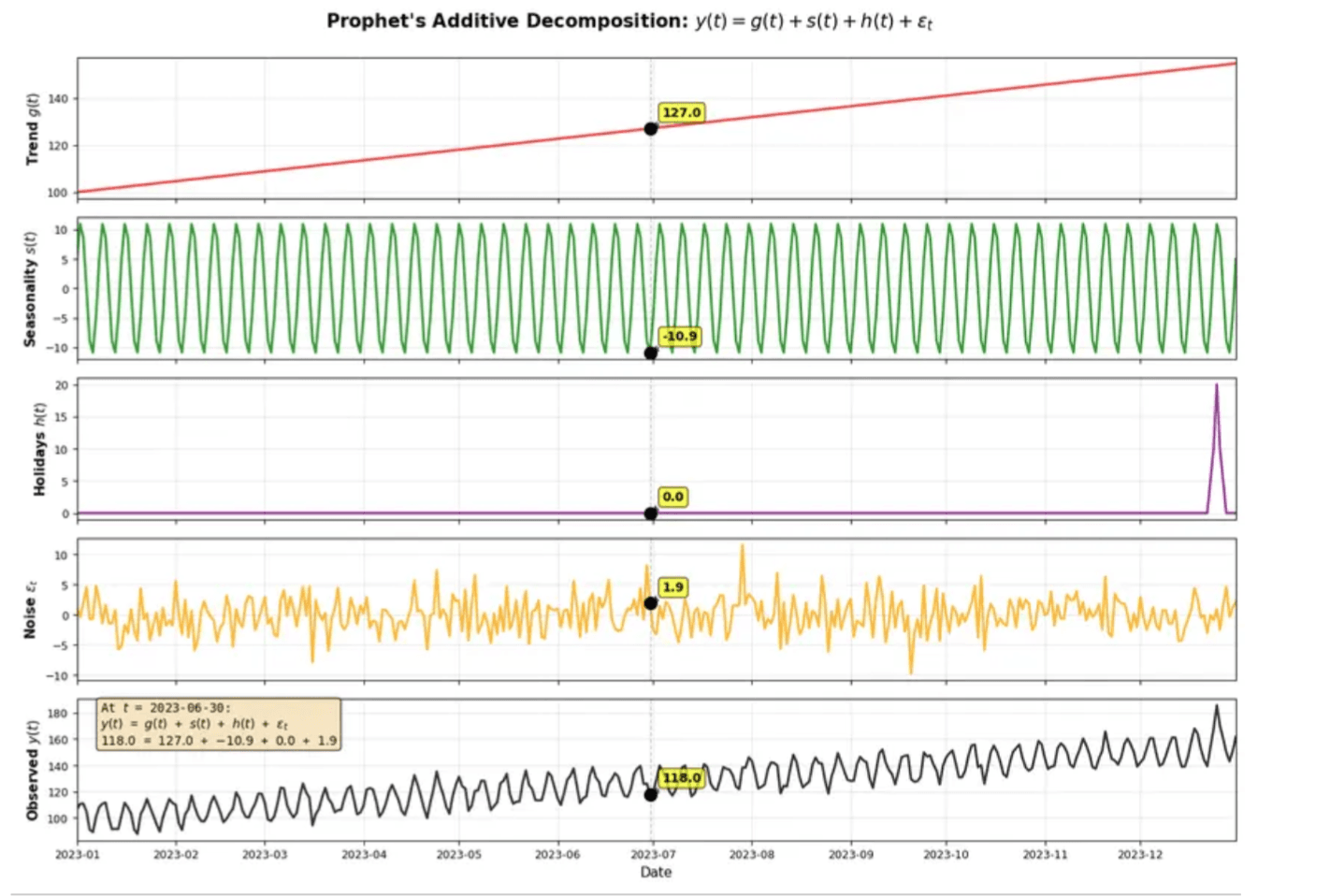
The automatic seasonality detection is genuinely good on clean business data. Less flexible when your time series does not fit its assumptions. Open source.
Darts
Darts provides a unified Python API for time series forecasting across many model families: classical statistical models, machine learning, and deep learning. The consistency of the interface lets researchers compare model families without rewriting data pipelines.
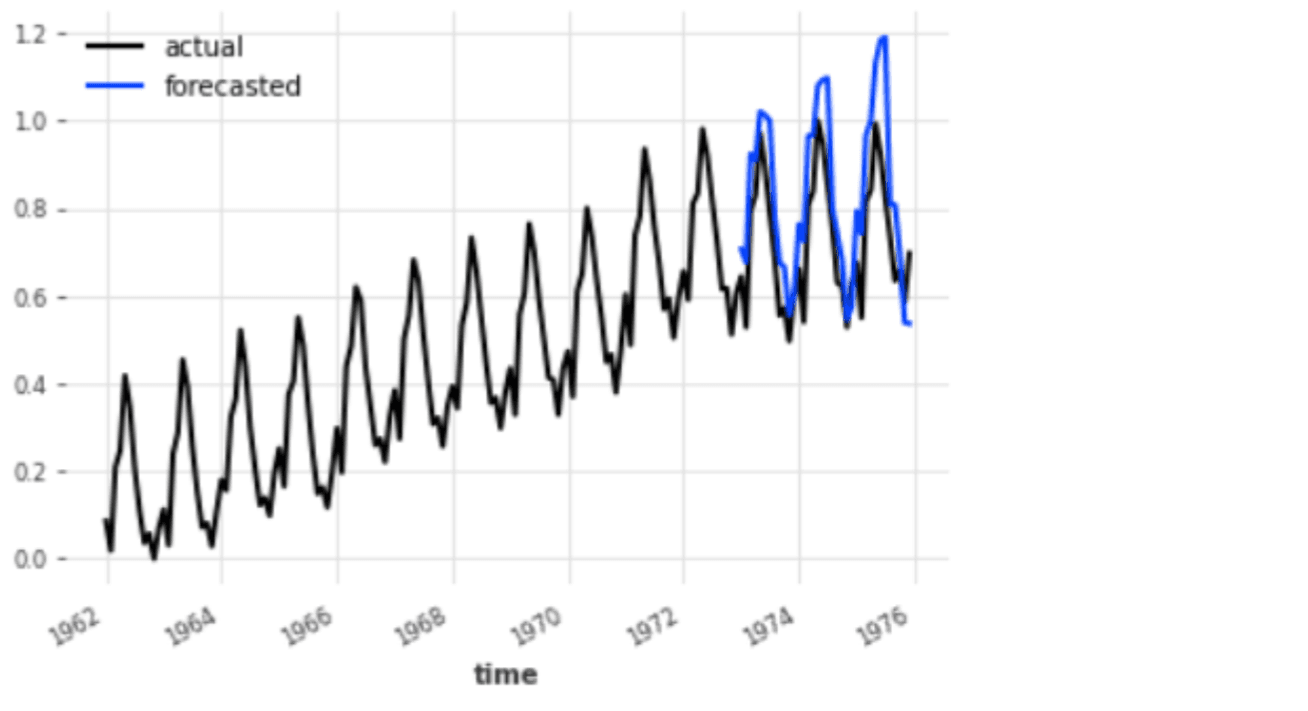
For researchers who want to systematically compare forecasting approaches on the same data, the unified API is a significant time saver. Open source.
GluonTS
GluonTS from Amazon focuses on deep learning approaches to time series. Includes DeepAR, Temporal Fusion Transformer, and other neural forecasting models. Probabilistic forecasting is the strength.
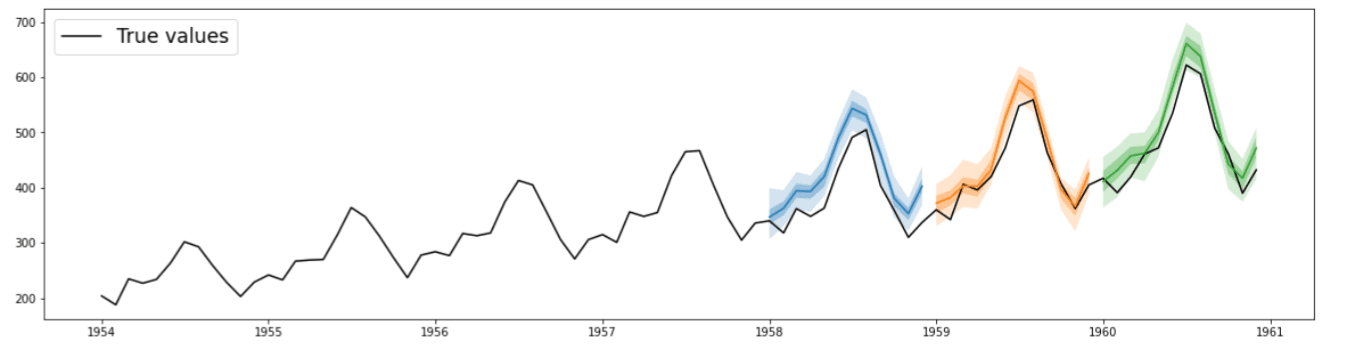
When you need prediction intervals, not just point forecasts, the deep learning models often outperform classical approaches. Open source.
statsmodels
statsmodels remains the reference implementation for classical time series analysis in Python. ARIMA, SARIMA, GARCH, VAR, state space models. The statistical rigor is high and the output includes the diagnostic information that serious time series work requires.
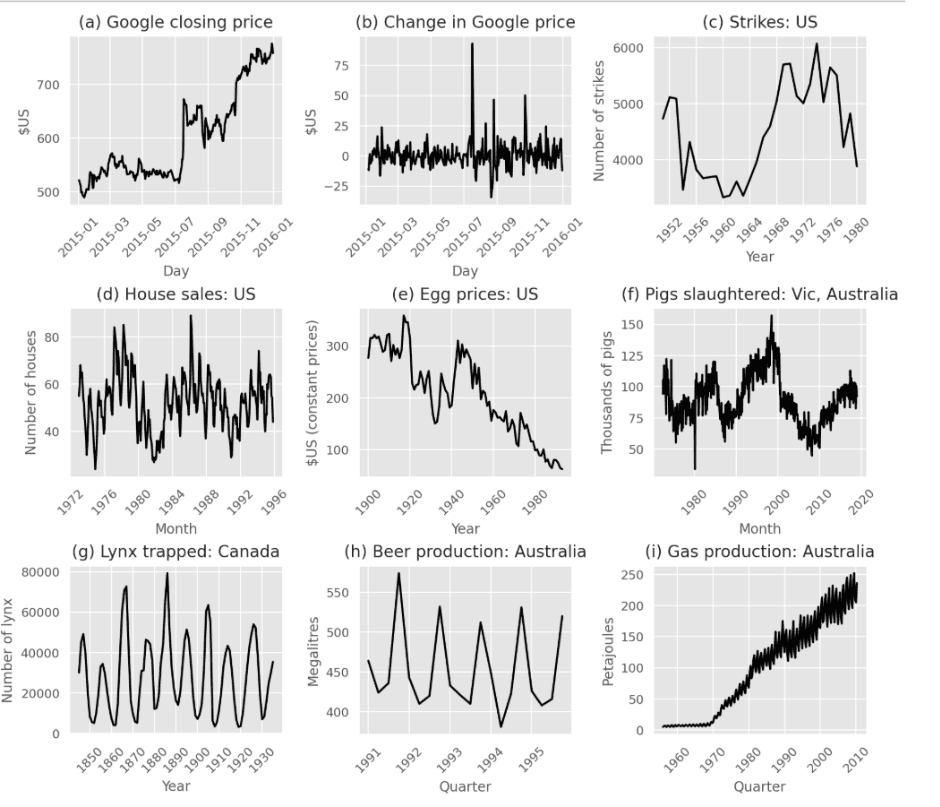
Not the friendliest API. Not the fastest fitting. But for understanding what your time series is doing statistically, no Python library provides more complete output. Open source.
Foundation Models
Nixtla / TimeGPT
TimeGPT applies the foundation model approach to time series forecasting. Pre-trained on a large time series corpus, it produces forecasts via API without training on your data. Zero-shot forecasting for new series is genuinely impressive for many use cases.
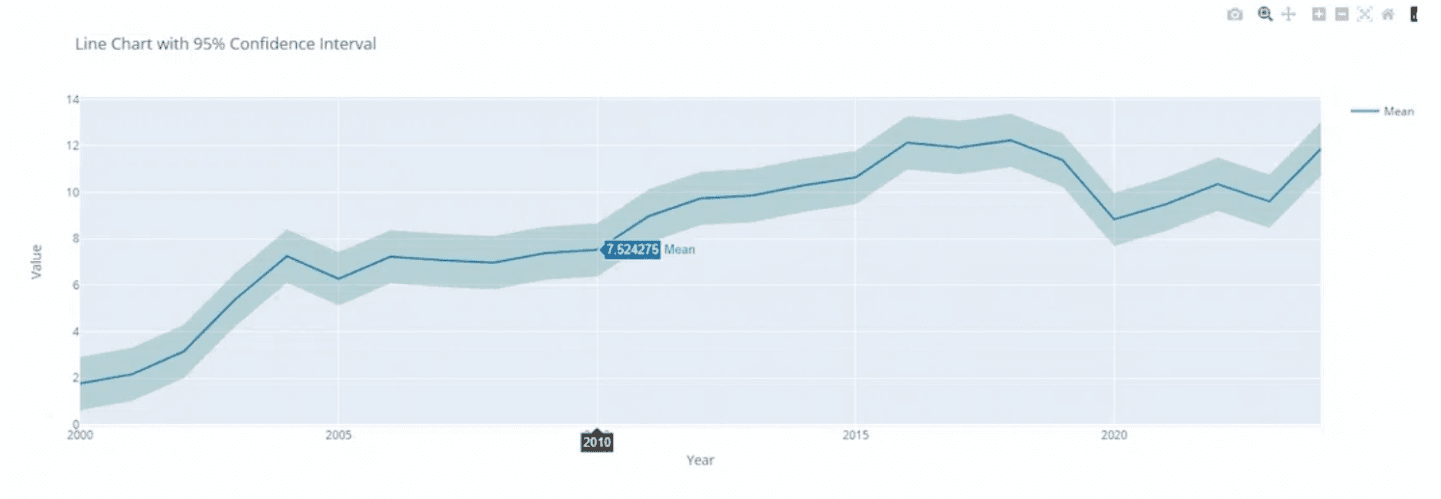
Worth benchmarking against strong statistical baselines before committing to a foundation-model approach. API pricing per token.
Infrastructure and Visualization
InfluxDB
InfluxDB is purpose-built time series storage. Efficient ingestion of high-frequency measurements, time-based queries, and downsampling operations. Common in IoT, monitoring, and observability stacks.
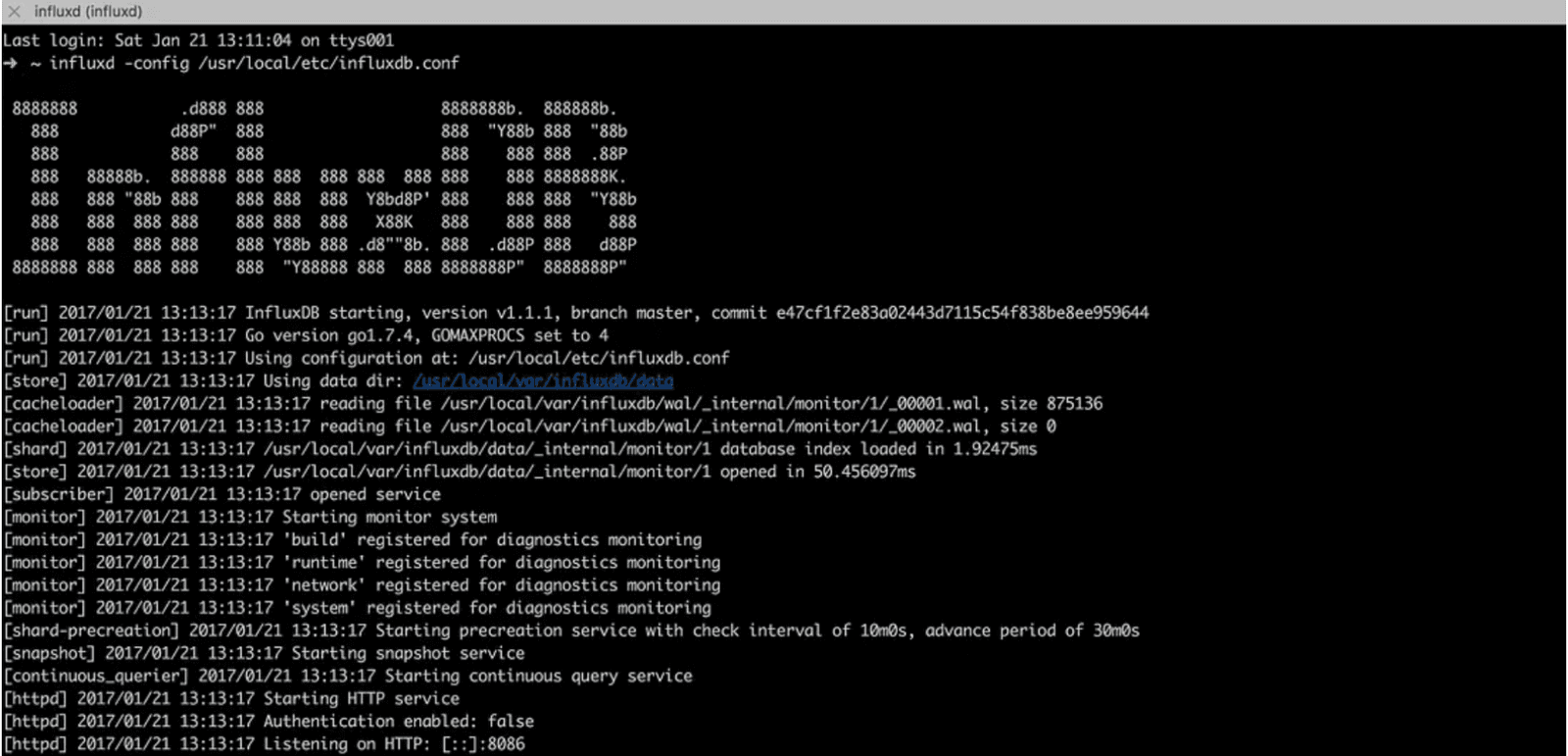
A data layer rather than an analysis environment. Pairs with Grafana for visualization and Python for modeling. Free self-hosted. Cloud pricing from $0.002/MB written.
Grafana
Grafana visualizes time series data from almost any source: Prometheus, InfluxDB, PostgreSQL, and cloud services. The anomaly detection layer surfaces behavioral shifts in operational metrics automatically.
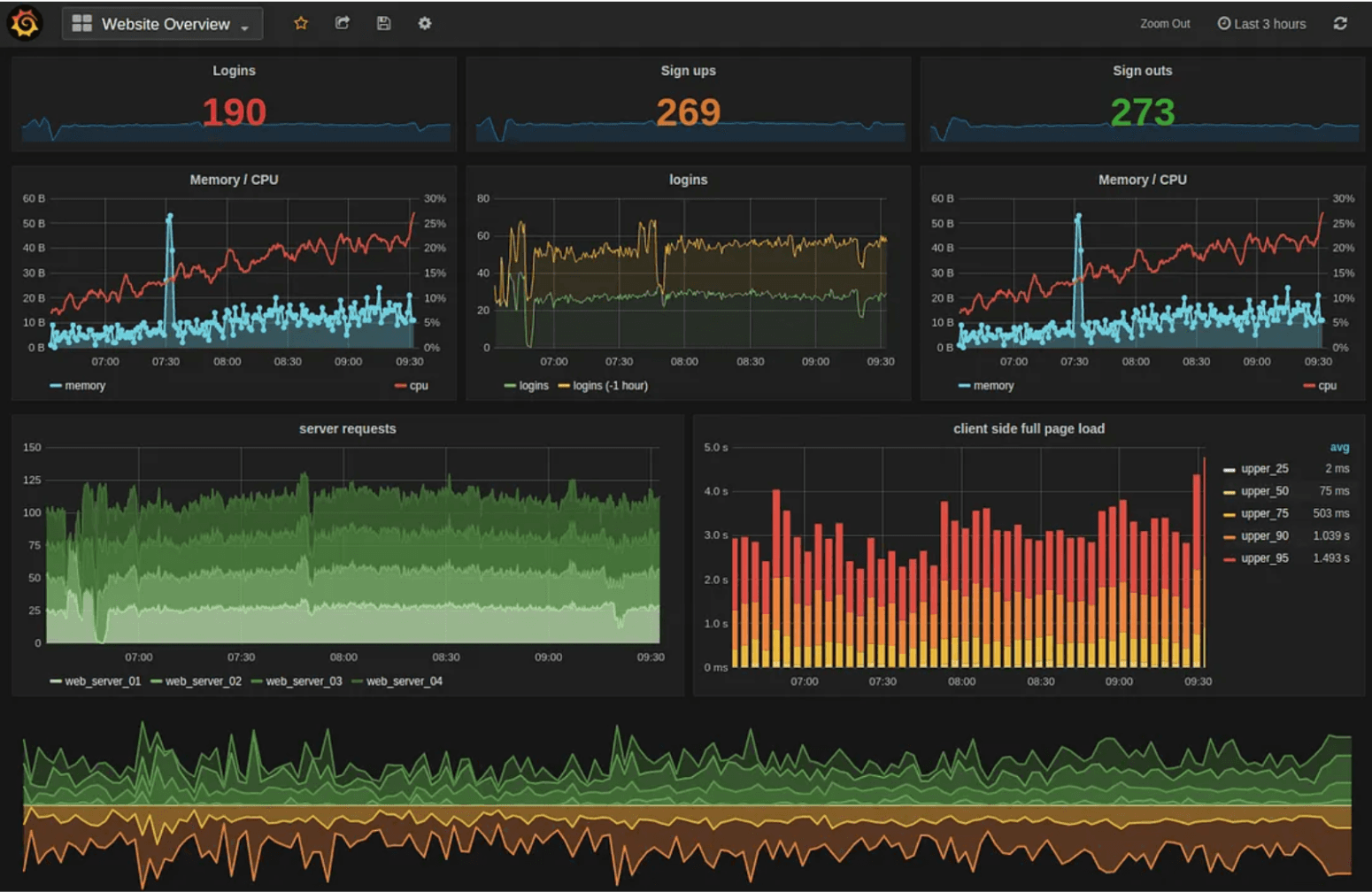
Purpose-built for monitoring and operational time series. Less suited to research and forecasting workflows. Free open source. Grafana Cloud from $8/user/month.
Tableau
Tableau's time series visualization is the strongest in the BI category. Trend forecasting, seasonality decomposition, and the ability to create polished temporal narratives for stakeholder communication.
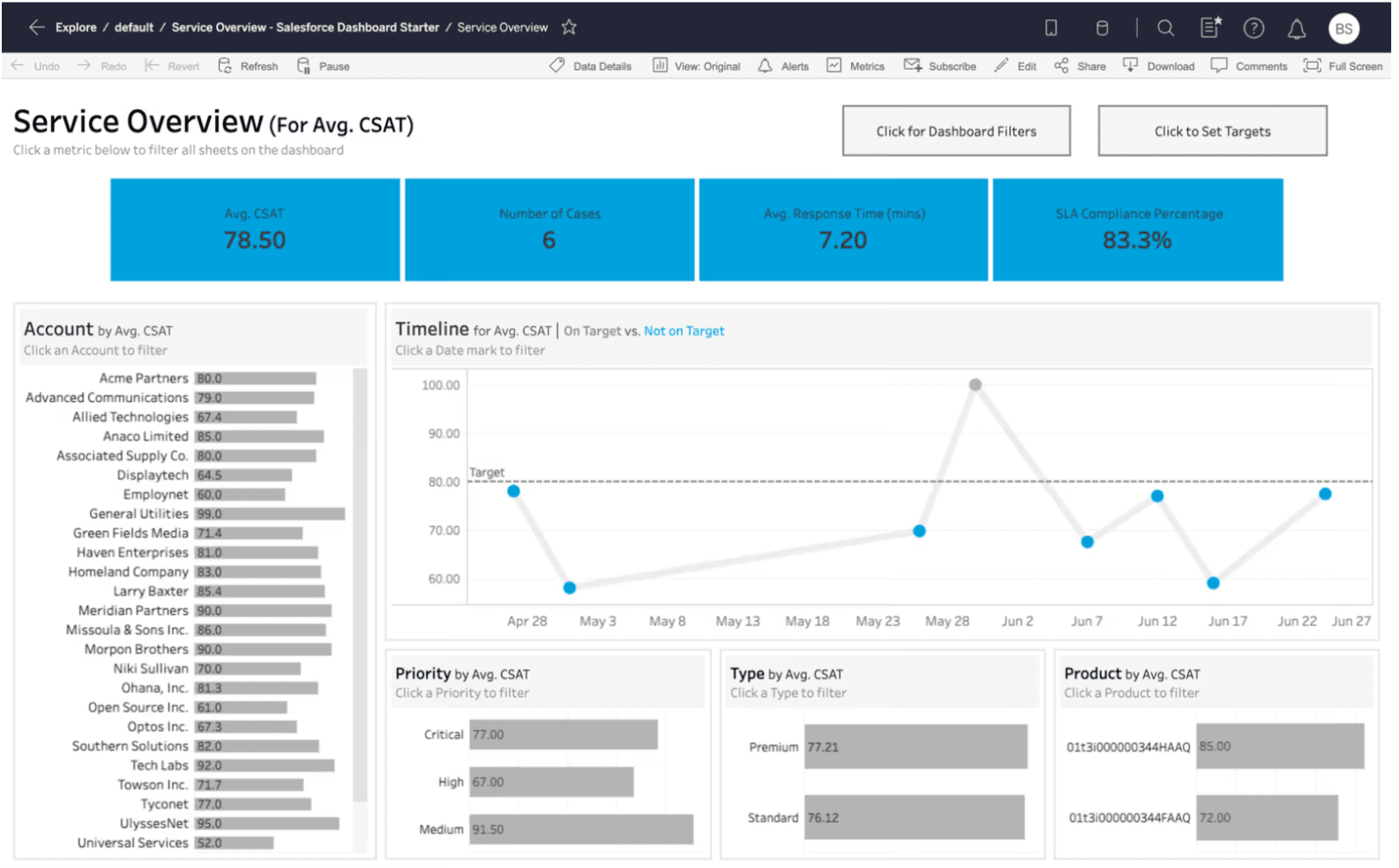
Not the right tool for building time series models. The right tool for communicating what time series models find. Standard at $75/user/month.
Matching Tools to Workflows
Research teams building iterative time series models: Zerve. Python and R unified. DAG execution for iterative work. Institutional knowledge compounds research across time.
High-frequency financial tick data: Kdb+/q. No alternative at that performance level.
Business forecasting without deep ML expertise: Prophet for most cases. TimeGPT for zero-shot evaluation.
Rigorous statistical time series modeling: statsmodels as the foundation. Darts for multi-model comparison.
Deep learning forecasting with prediction intervals: GluonTS for probabilistic outputs.
Zerve's unified Python and R environment is the fastest way to move from data to model to deployment without changing platforms.